Myths Undone The real story behind what everyone knows

Myths Undone

The real story behind what everyone knows

Latest Articles

Health & Wellness

Your Metabolism Isn't the Problem — Science Finally Figured Out What Is

For decades, the accepted explanation for midlife weight gain has been a simple one: your metabolism slows down as you age, and your body just doesn't burn calories the way it used to. A major study published in 2021 upended that story almost entirely. It turns out metabolism is far more stable across adulthood than anyone expected — which raises an uncomfortable question about what's actually going on.

The Protein-for-Muscle Rule Isn't Wrong — It's Just Been Stretched So Far It Barely Resembles the Original Science
Health & Wellness

The Protein-for-Muscle Rule Isn't Wrong — It's Just Been Stretched So Far It Barely Resembles the Original Science

American gym culture turned a reasonable nutritional principle into an arms race of protein shakes, chicken breasts, and six-figure supplement revenues. The science behind building muscle is real — it just got buried under decades of marketing.

Every Coach Told You to Stretch First — Sports Scientists Have Been Saying the Opposite for Years
Health & Wellness

Every Coach Told You to Stretch First — Sports Scientists Have Been Saying the Opposite for Years

Stretching before a workout has been drilled into American gym culture for decades. But sports science research has been quietly undermining that advice since the 1990s — and most coaches still haven't caught up.

Doctors Warn You Not to Crack Your Neck — Then Some of Them Do It to You Professionally
Tech & Culture

Doctors Warn You Not to Crack Your Neck — Then Some of Them Do It to You Professionally

The warning about neck cracking causing strokes has been repeated so many times it feels like settled medical fact. But trained clinicians perform cervical manipulation routinely — so what's actually going on, and who's right?

Science Cleared Knuckle-Cracking Decades Ago — Then Got Completely Stumped by the Follow-Up Questions
Health & Wellness

Science Cleared Knuckle-Cracking Decades Ago — Then Got Completely Stumped by the Follow-Up Questions

The warning that cracking your knuckles causes arthritis has been a staple of parental advice for generations — and it's been wrong the whole time. But here's the strange part: even after researchers proved the myth false, they spent decades arguing about what actually makes that sound, and the answer turns out to be genuinely weird.

Your Afternoon Energy Crash Has Nothing to Do With Sugar — Here's What's Actually Draining You
Health & Wellness

Your Afternoon Energy Crash Has Nothing to Do With Sugar — Here's What's Actually Draining You

The idea that a candy bar leads to an inevitable energy nosedive is one of the most repeated pieces of nutrition advice in America. But the science behind blood sugar and energy is far messier than that tidy cause-and-effect story. The real culprits behind your 3 p.m. slump might surprise you.

Food Scientists Officially Studied the Five-Second Rule — And the Results Made Everything More Complicated
Tech & Culture

Food Scientists Officially Studied the Five-Second Rule — And the Results Made Everything More Complicated

The five-second rule is one of those universal folk wisdoms that everyone uses and nobody fully believes. But when food microbiologists actually put it to the test, the results were stranger than a simple pass or fail. It turns out the floor isn't the problem — the food is.

The Real Reason Your Doctor Says No Coffee Before a Blood Test Has Nothing to Do With Caffeine
Tech & Culture

The Real Reason Your Doctor Says No Coffee Before a Blood Test Has Nothing to Do With Caffeine

Most people assume the pre-blood-test coffee ban is about caffeine interfering with their results — but that's not quite the story. The actual reason comes down to how food and certain drinks affect specific biomarkers like triglycerides and blood glucose, and the rules are more nuanced than a blanket 'no coffee' instruction suggests. Here's what labs are actually measuring, and what that means for your morning cup.

Showering Right After a Meal Won't Hurt You — But Here's the Tiny Grain of Truth That Started the Rule
Health & Wellness

Showering Right After a Meal Won't Hurt You — But Here's the Tiny Grain of Truth That Started the Rule

For generations, parents warned kids to wait at least 30 minutes after eating before jumping in the shower. The concern was that hot water would disrupt digestion and cause cramping or even fainting. But physiologists say the real picture is far less dramatic — and the rule itself is mostly a household invention built on a misunderstood idea.

Neuroscience Killed the '10% of Your Brain' Myth Decades Ago — So Why Won't It Die?
Health & Wellness

Neuroscience Killed the '10% of Your Brain' Myth Decades Ago — So Why Won't It Die?

The idea that humans only tap into a fraction of their brain has been floating around for over a century, and modern neuroscience has thoroughly dismantled it. But the myth keeps resurfacing in self-help books, motivational speeches, and Hollywood blockbusters. Here's where it actually came from — and what your brain is really doing all day.

The 'Holiday Detox' Was Invented by People Selling Laxatives — And the Logic Never Really Changed
Tech & Culture

The 'Holiday Detox' Was Invented by People Selling Laxatives — And the Logic Never Really Changed

Every January, millions of Americans reach for detox teas, juice cleanses, and colon-cleansing supplements to reset after the holidays. The idea that the body needs a periodic flush has roots not in medicine but in early 20th-century laxative advertising built around a theory that mainstream science abandoned over a hundred years ago.

Antibacterial Soap Has Been Quietly Losing Its Case in Court for Years — Here's the Verdict
Health & Wellness

Antibacterial Soap Has Been Quietly Losing Its Case in Court for Years — Here's the Verdict

The word 'antibacterial' on a soap bottle sounds like a straightforward upgrade, but the FDA concluded years ago that these products offer no measurable advantage over plain soap and water for everyday handwashing. The regulatory story behind that finding is even more surprising than the science.

The Tongue Map Every American Kid Memorized Was Based on a Botched Translation
Health & Wellness

The Tongue Map Every American Kid Memorized Was Based on a Botched Translation

Generations of American students were taught that the tongue is divided into neat zones — sweet at the tip, bitter at the back, salty and sour on the sides. That diagram was wrong, and scientists knew it for decades before textbooks bothered to catch up.

That Spider-Swallowing Statistic Was Made Up on Purpose — And It Fooled the Entire Internet
Tech & Culture

That Spider-Swallowing Statistic Was Made Up on Purpose — And It Fooled the Entire Internet

The claim that you swallow eight spiders a year while sleeping is one of the most repeated gross-out facts in American culture — but it was deliberately invented in 1993 as a test of how easily people accept convincing-sounding nonsense. Here's where it came from, why spiders would never actually do this, and what the whole story says about how misinformation travels.

The Classic Goldfish Bowl Was a Pet Store Invention — And It's Been Killing Fish for a Century
Health & Wellness

The Classic Goldfish Bowl Was a Pet Store Invention — And It's Been Killing Fish for a Century

The small glass fishbowl is one of the most recognizable images in American pet ownership, but it has almost nothing to do with how goldfish actually live — or how they survive. The bowl was essentially a retail product designed for visual appeal, not animal welfare, and the fish paid the price.

Nobody Actually Prescribed Eight Glasses of Water a Day — Here's How a Vague Guideline Became a Daily Obsession
Health & Wellness

Nobody Actually Prescribed Eight Glasses of Water a Day — Here's How a Vague Guideline Became a Daily Obsession

The eight-glasses-a-day rule is one of the most universally followed health habits in America, but it was never based on clinical research and was never meant to be taken literally. This article traces how a mid-century dietary footnote got transformed into a billion-dollar hydration industry — and what scientists actually say about how much water you need.

Carrots and Night Vision: The Wartime Lie That Became a Dinnertime Health Rule
Health & Wellness

Carrots and Night Vision: The Wartime Lie That Became a Dinnertime Health Rule

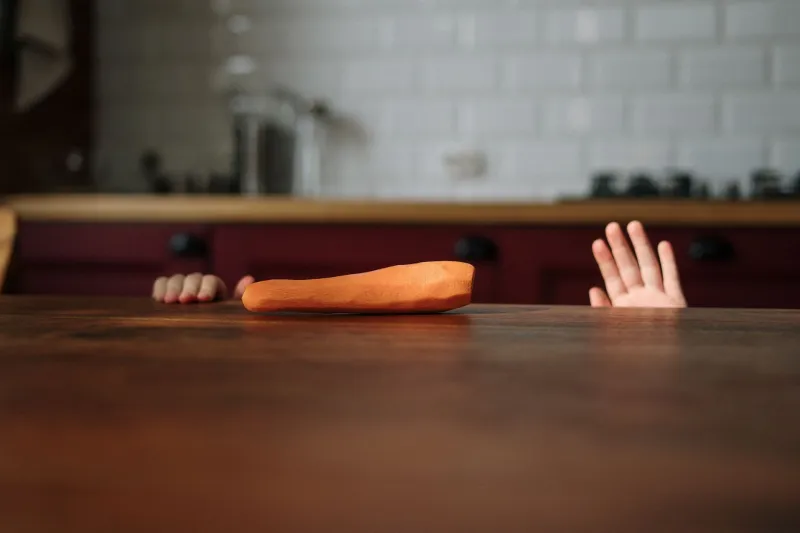
Generations of American parents have told kids that eating carrots helps you see in the dark, presenting it as simple nutritional fact. The real origin of that idea, though, is a deliberate British military disinformation campaign designed to keep Nazi Germany from discovering radar. Here's how a wartime lie became a dinner table legend — and what carrots actually do for your eyes.

Your Dentist Isn't Wrong About Flossing — But the Science Behind It Is Way More Complicated Than the Lecture
Health & Wellness

Your Dentist Isn't Wrong About Flossing — But the Science Behind It Is Way More Complicated Than the Lecture

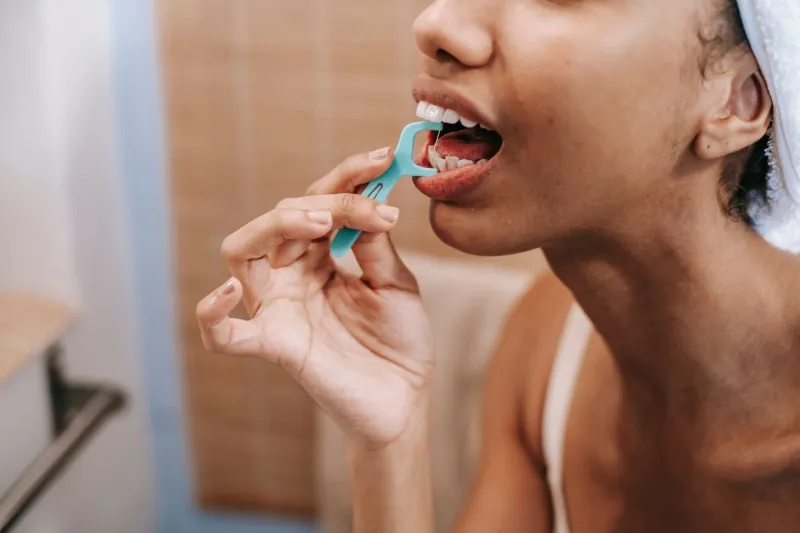
Daily flossing has been a cornerstone of dental advice for decades, backed by confident recommendations from dentists and public health campaigns alike. But a 2016 investigation found the actual research behind those recommendations was surprisingly thin. Here's the real story about what flossing does — and doesn't — do for your mouth.

The Six-Meals-a-Day Rule Wasn't Based on Science — It Was Based on Vibes
Health & Wellness

The Six-Meals-a-Day Rule Wasn't Based on Science — It Was Based on Vibes

For most of the 1990s and 2000s, eating five or six small meals a day to 'keep your metabolism fired up' was treated as settled nutritional wisdom by fitness magazines, personal trainers, and diet books. Metabolic research tells a completely different story. Here's how a plausible-sounding idea became one of the most repeated diet rules of a generation — without much science behind it.

Scientists Actually Tested Whether Shaving Makes Hair Grow Thicker — The Results Debunk Decades of Parental Warnings
Health & Wellness

Scientists Actually Tested Whether Shaving Makes Hair Grow Thicker — The Results Debunk Decades of Parental Warnings

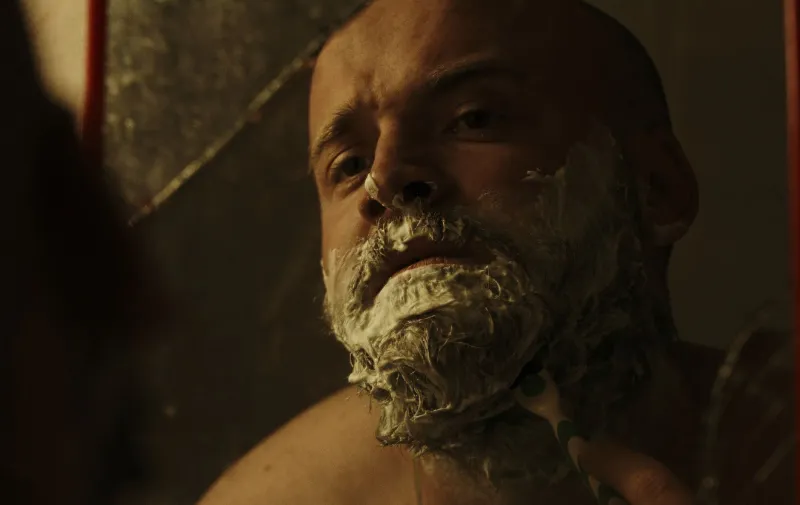
The idea that shaving makes hair grow back thicker has survived generations of teenagers and parenting advice, but controlled experiments have repeatedly proven it's completely false. The stubborn myth persists because of a simple optical illusion that tricks everyone who looks closely at fresh stubble.