The Real Reason Your Doctor Says No Coffee Before a Blood Test Has Nothing to Do With Caffeine
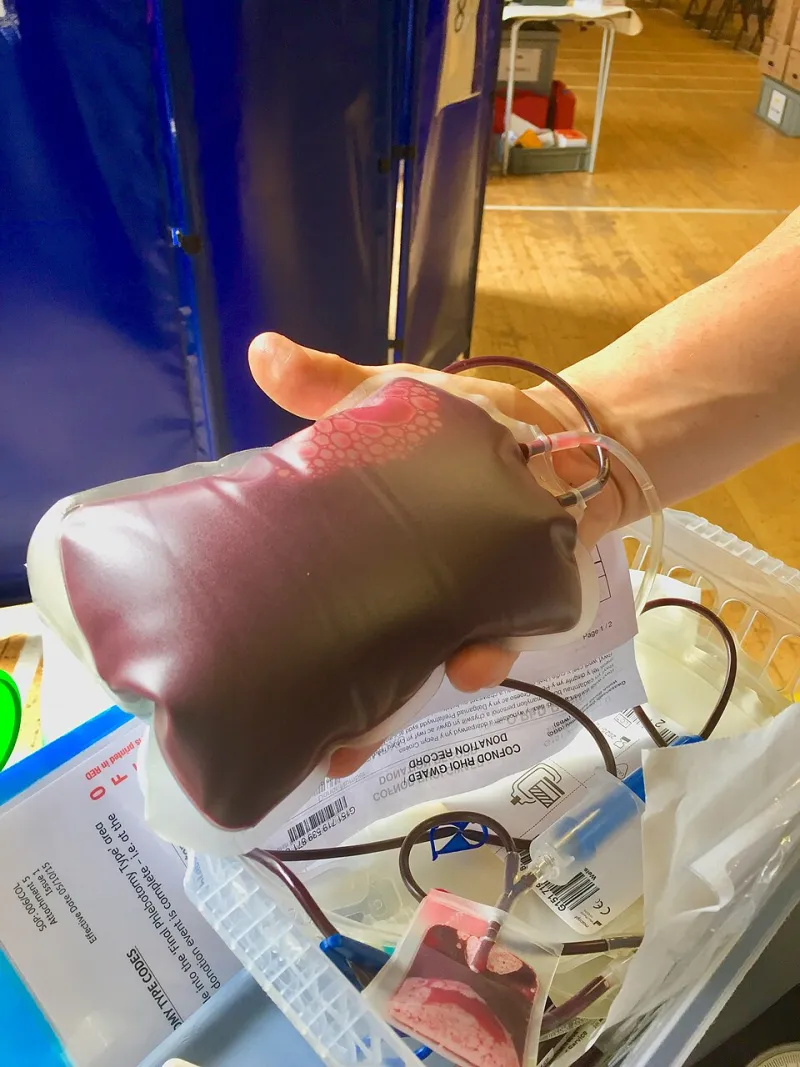
Photo: Bibeyjj, CC BY-SA 4.0, via Wikimedia Commons
You've probably been there. The night before a routine blood draw, you get the reminder: fast for eight to twelve hours, no food, no coffee. So you show up to the lab groggy, slightly resentful, and quietly convinced that your caffeine habit is somehow compromising your cholesterol numbers.
But here's the thing — the reason behind that instruction is almost certainly not what you think it is. Caffeine itself is rarely the concern. The actual story involves how your body processes food, what specific biomarkers labs are trying to measure cleanly, and how a reasonable medical instruction got simplified into a rule that most people misunderstand entirely.
What Fasting Blood Tests Are Actually Measuring
Not all blood tests require fasting. A complete blood count, thyroid panels, and many other common tests can be done at any time of day without food restrictions. The fasting requirement applies specifically to tests that measure things your body is actively processing after you eat — and the main culprits are blood glucose, triglycerides, and LDL cholesterol calculations.
When you eat or drink anything with caloric content, your digestive system gets to work. Blood glucose climbs as carbohydrates are broken down. Triglyceride levels spike as fats enter circulation. These changes are temporary and normal, but they're significant enough to make test results misleading if the lab is trying to establish your baseline levels.
A fasting lipid panel, for example, is designed to capture your triglyceride and cholesterol levels in a stable, post-absorptive state — meaning after your body has had time to clear the immediate effects of your last meal. If you eat a bacon-and-egg sandwich two hours before the test, your triglycerides will reflect that breakfast, not your typical metabolic baseline. The result could look abnormal when it isn't, or mask a genuine issue by creating noise in the data.
Fasting glucose tests work the same way. If you're being screened for diabetes or insulin resistance, your doctor needs to know what your blood sugar looks like when it isn't actively responding to food. Eating beforehand defeats the purpose of the measurement.
So Where Does Coffee Actually Fit In?
This is where the blanket "no coffee" rule starts to get complicated — and more interesting.
Black coffee, with no milk, cream, or sugar, contains essentially no calories and no significant carbohydrates or fats. From a pure macronutrient standpoint, it shouldn't trigger the kind of metabolic response that would affect glucose or triglyceride readings in the way a meal would.
Several studies have looked at whether black coffee consumption before fasting blood tests actually distorts results, and the findings are genuinely nuanced. For most standard lipid panels and fasting glucose tests, a single cup of plain black coffee appears to have minimal clinical impact. Some research suggests it can cause a modest, temporary rise in blood glucose in certain individuals — particularly those with insulin sensitivity issues — but the effect is generally small.
However, caffeine does have measurable physiological effects. It stimulates the release of adrenaline, which can temporarily affect blood pressure readings and certain hormone levels. It can also influence cortisol levels and, in some contexts, affect how cells respond to insulin. For highly sensitive metabolic tests, these effects could theoretically introduce variability.
The practical reality is that labs and clinical guidelines vary on this point. Some doctors and institutions tell patients that plain black coffee is acceptable before most standard fasting panels. Others maintain a stricter "nothing but water" policy, partly to keep the instructions simple and reduce the risk of patients making judgment calls about what counts as "plain enough."
Why the Blanket Rule Exists
Here's the honest answer: telling every patient "no coffee, no food, just water" is a cleaner instruction than "fasting is required, and black coffee might be okay depending on which specific tests are ordered and your individual metabolic profile."
Medical instructions get simplified for practical reasons. A patient who hears "black coffee is probably fine" might show up with a latte. A patient who hears "no coffee" skips it entirely and the test runs cleanly. From a population-management standpoint, the stricter blanket rule reduces variability and the chance of a test needing to be repeated.
That's a reasonable clinical decision, but it does mean that the "why" behind the instruction often gets lost in translation. Patients walk away believing caffeine is the problem, when the actual concern is about caloric intake and its effect on the specific biomarkers being measured.
Which Tests Actually Need Fasting — and Which Don't
It's worth knowing that fasting requirements are genuinely test-specific. Common panels that typically require fasting include:
- Fasting lipid panel (total cholesterol, LDL, HDL, triglycerides)
- Fasting blood glucose
- Hemoglobin A1C (though some guidelines allow this non-fasting)
- Comprehensive metabolic panel (when glucose accuracy matters)
Tests that generally don't require fasting include complete blood counts, thyroid function tests, most vitamin and mineral levels, and many inflammatory markers. If you're unsure which category your upcoming test falls into, it's worth asking your doctor or the lab directly — and specifically asking whether plain black coffee is acceptable for your situation.
The Takeaway
The pre-blood-test coffee restriction isn't really about caffeine throwing off your numbers. It's about keeping specific biomarkers — primarily glucose and triglycerides — in a stable, fasted state so your results reflect your actual baseline rather than what you had for breakfast.
For most standard fasting panels, the genuine concern is caloric intake, not the stimulant in your morning cup. The blanket "no coffee" rule exists largely for simplicity and consistency, not because caffeine is secretly sabotaging your cholesterol test.
If you're genuinely miserable without your morning coffee before a blood draw, it's worth having a direct conversation with your doctor about which tests are actually ordered and whether black coffee would affect them. You might get a more nuanced answer than the standard reminder card suggests.