Nobody Actually Prescribed Eight Glasses of Water a Day — Here's How a Vague Guideline Became a Daily Obsession
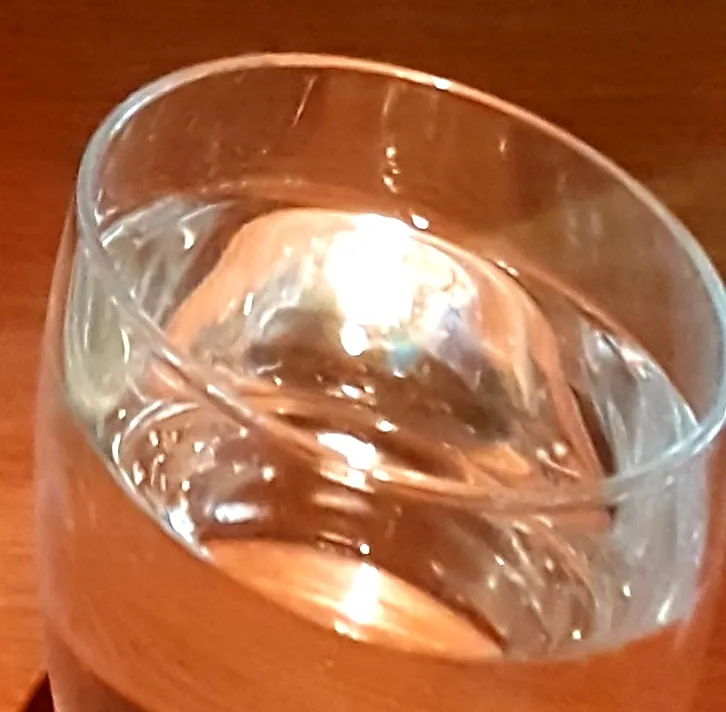
Photo: Mia Gaitanidis, CC BY-SA 4.0, via Wikimedia Commons
Open any wellness app, read any fitness article, or talk to basically any health-conscious American, and you'll encounter the same piece of advice delivered with unwavering confidence: drink eight glasses of water a day. Eight. Not seven, not nine. Eight. The number has the ring of medical precision, the kind of thing you'd expect to find backed by clinical trials and published in a major journal.
It wasn't. And the story of how it got from a vague, misread government document to the default hydration standard for an entire country is one of the stranger journeys in American health culture.
Where the Number Actually Came From
The closest thing to an original source for the eight-glasses rule is a 1945 recommendation from the U.S. Food and Nutrition Board, which suggested that adults consume roughly 2.5 liters of water per day. That's in the ballpark of eight eight-ounce glasses, so on the surface, the math seems to check out.
 Photo: U.S. Food and Nutrition Board, via www.readingvine.com
But here's the part that got quietly dropped from every subsequent retelling: the very next sentence of that 1945 document noted that most of this water intake would come from food. Fruits, vegetables, soups, coffee, tea, juice — the American diet already delivers a substantial amount of water before you ever pick up a glass. The recommendation wasn't "drink eight glasses on top of everything else." It was a total daily fluid intake figure that included everything you eat and drink.
Dr. Heinz Valtin, a kidney specialist at Dartmouth Medical School, spent years trying to track down the clinical basis for the eight-glasses-a-day rule and published a detailed review in the American Journal of Physiology in 2002. His conclusion was blunt: there was no scientific evidence supporting the requirement to drink that specific amount of plain water daily for healthy adults. None. The number had essentially been laundered through decades of repetition until it looked like an established fact.
 Photo: Dr. Heinz Valtin, via c8.alamy.com
 Photo: Dartmouth Medical School, via img.freepik.com
The Industry That Turned a Myth Into a Market
If the science was never particularly solid, the business case was excellent.
The bottled water industry in the United States grew from a regional curiosity into a multi-billion-dollar market over roughly the same period that the eight-glasses rule became cultural gospel. That's not a coincidence. Marketing campaigns from major water brands throughout the 1980s and 1990s leaned heavily into hydration messaging, positioning daily water consumption as a health practice and bottled water as the obvious vehicle for it.
The wellness industry picked up the thread from there. Personal trainers, nutritionists, and lifestyle coaches adopted the eight-glasses standard as a simple, trackable goal — exactly the kind of concrete daily target that fits neatly into a health plan. Apps were built around it. Water bottles were engineered with measurement markings to help people hit it. The rule became so embedded in mainstream health culture that questioning it started to feel like questioning whether vegetables are good for you.
What Hydration Science Actually Says
The genuine science on hydration is, frankly, less dramatic than the wellness industry would prefer.
Your body has a remarkably sophisticated system for managing fluid balance, and it communicates with you about it constantly. That system is called thirst. When your fluid levels drop, your kidneys signal your brain, and you feel the urge to drink. When you're adequately hydrated, that urge diminishes. For the vast majority of healthy adults who have access to water and aren't exercising intensely in extreme heat, this feedback loop works extremely well.
Research also consistently shows that individual hydration needs vary significantly based on body size, activity level, climate, diet composition, and overall health status. A 120-pound woman doing desk work in a climate-controlled office has fundamentally different fluid needs than a 200-pound man doing outdoor labor in August. A single number can't capture that range, and pretending it can leads people to either stress about hitting an arbitrary target or ignore their body's actual signals in favor of a rule.
The foods you eat contribute meaningfully to your daily fluid intake too. Cucumbers, watermelon, strawberries, lettuce, and dozens of other common foods are more than 90 percent water by weight. Coffee and tea, despite the persistent myth that they dehydrate you, provide net fluid intake for regular consumers whose bodies have adapted to caffeine. The idea that only plain water counts toward hydration has no physiological basis.
Why the Myth Refuses to Die
Simplicity is the enemy of accuracy here. "Drink when you're thirsty and eat a variety of foods" is true, but it doesn't fit on a water bottle or generate app engagement. "Drink eight glasses a day" is trackable, shareable, and easy to monetize.
There's also a psychological comfort in having a specific number. Health anxiety is real, and for many people, hitting a daily water goal feels like something concrete they can control. The rule persists partly because it's harmless for most people to follow — drinking a bit more water than you strictly need isn't dangerous if you're healthy — and partly because the industries built around it have no financial incentive to correct the record.
The Takeaway
For most healthy adults, the most reliable hydration guide you have is the one your body has been running since birth. Drink when you're thirsty. Pay attention to the color of your urine — pale yellow is the target, not clear. Eat a diet that includes fruits and vegetables. Adjust for heat and exercise.
You don't need a tracking app for any of that. And you definitely don't need eight glasses.