The Billion-Dollar Detox Industry Built on a Myth Your Liver Already Debunked
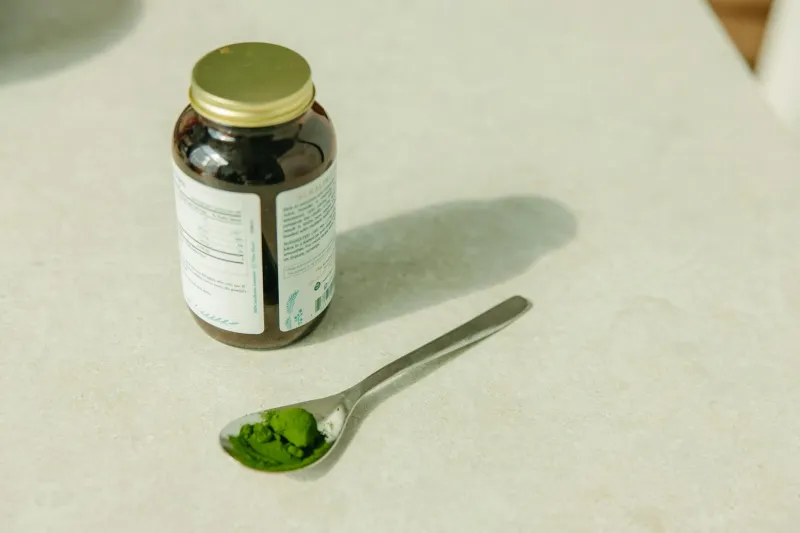
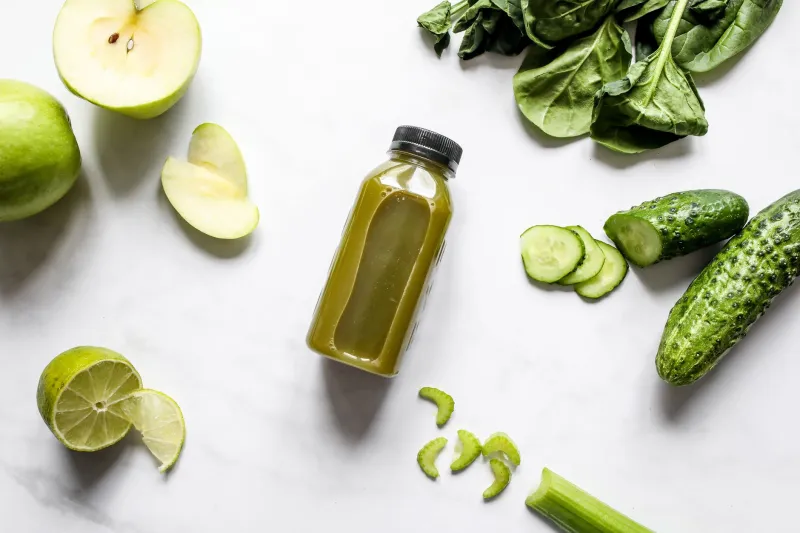
Every December 26th, like clockwork, your social media feeds fill up with the same message: time to detox from the holidays. Juice cleanses, liver support supplements, and detox teas flood the market, promising to flush away the "toxins" accumulated during weeks of cookies, cocktails, and celebratory meals.
This annual ritual has become so normalized that questioning it seems almost heretical. Of course you need to detox after the holidays — just look at how you feel! But the entire premise is built on a fundamental misunderstanding of how your body actually works.
Your Body Is Already a Detox Machine
Here's what the supplement industry doesn't want you to know: you already own the most sophisticated detoxification system ever evolved. Your liver, kidneys, lungs, and digestive system work around the clock to process and eliminate waste products, whether you've been eating kale salads or holiday fudge.
Your liver alone performs over 500 different functions, including breaking down alcohol, processing medications, and converting harmful substances into compounds your body can safely eliminate. Your kidneys filter about 50 gallons of blood every day, removing waste while keeping essential nutrients. This system doesn't take holidays off or get overwhelmed by a few weeks of indulgent eating.
Hepatologists — doctors who specialize in liver function — are remarkably consistent on this point: a healthy liver doesn't need external support to do its job. The idea that holiday eating creates a backlog of "toxins" that require special intervention simply doesn't align with how these organs function.
How the Detox Industry Manufactured a Problem
The modern detox industry emerged in the 1990s and 2000s, coinciding with the rise of alternative medicine marketing and the internet's ability to spread health claims faster than scientific review could keep pace. Companies realized they could capitalize on post-holiday guilt by creating a medical-sounding solution to a non-medical problem.
The genius of detox marketing lies in its vagueness. Products promise to eliminate "toxins" without specifying what these toxins are, how they're measured, or how the product removes them. This ambiguity makes the claims nearly impossible to disprove while allowing customers to project their own concerns onto the solution.
Marketing teams learned to time their campaigns perfectly, flooding advertisements and social media with detox messaging immediately after Thanksgiving and Christmas. They tapped into genuine feelings — bloating, fatigue, guilt — and provided a product-based solution that felt proactive and health-conscious.
The Psychology of Post-Holiday Guilt
The detox industry didn't create post-holiday guilt, but it certainly learned to monetize it. After weeks of eating differently than usual, many people experience physical discomfort and emotional regret. This creates a perfect psychological environment for products that promise quick fixes and fresh starts.
Detox marketing brilliantly reframes normal physiological responses as evidence of toxic buildup. Feeling tired after late nights and rich foods? Toxins. Bloated after eating more sodium than usual? Toxins. Skin breaking out from stress and dietary changes? Definitely toxins.
This narrative transforms temporary discomfort into a medical condition requiring intervention, creating both the problem and the solution in one marketing message.
What Science Actually Says About "Detoxing"
When researchers study commercial detox products, they consistently find the same thing: no evidence that these products improve the body's natural detoxification processes or remove specific toxins more effectively than normal organ function.
A 2012 review in the Journal of Human Nutrition and Dietetics examined the evidence for commercial detox diets and found no credible research supporting their use. The authors noted that the human body's existing detoxification system is remarkably efficient and doesn't require supplementation in healthy individuals.
 Photo: Journal of Human Nutrition and Dietetics, via meddocsonline.org
More problematically, some detox products can actually interfere with normal organ function. Excessive water consumption during "cleanses" can disrupt electrolyte balance. Herbal supplements can interact with medications or stress the liver they claim to support.
The Real Reason You Feel Better After "Detoxing"
Many people do feel better after following detox protocols, but not because they've removed mysterious toxins. The improvement typically comes from:
Returning to normal eating patterns: After weeks of eating more sugar, salt, and processed foods than usual, returning to a balanced diet naturally reduces bloating and improves energy.
Increased water intake: Many detox protocols emphasize hydration, which helps with everything from skin appearance to digestive comfort.
Psychological relief: Taking action to "undo" holiday indulgence provides emotional satisfaction, even if the action itself isn't physiologically necessary.
Placebo effect: Expecting to feel better often leads to actually feeling better, regardless of the intervention's biological impact.
Elimination of alcohol: Many detox programs eliminate alcohol, which can improve sleep, energy, and overall well-being.
What Actually Helps After Holiday Indulgence
Instead of expensive cleanses, focus on supporting your body's natural processes:
Hydrate normally: Drink water when you're thirsty, not according to arbitrary detox protocols.
Return to balanced eating: Emphasize whole foods, fiber, and regular meal timing without dramatic restrictions.
Move your body: Gentle exercise improves circulation and digestion while boosting mood.
Prioritize sleep: Your body does much of its repair and waste processing during quality sleep.
Be patient: Your body naturally returns to baseline when you resume normal habits.
The Real Cost of Detox Culture
Beyond wasted money, detox culture promotes a problematic relationship with food and bodies. It suggests that normal indulgence requires medical intervention and that your body can't be trusted to handle temporary dietary changes.
This mindset can contribute to cycles of restriction and guilt that are far more harmful than the occasional holiday cookie. It also distracts from evidence-based approaches to health and wellness.
The Bottom Line
Your liver has been detoxifying bodies for millions of years of evolution. It doesn't need a $200 juice cleanse to handle a few weeks of holiday eating. The post-holiday detox industry exists because it successfully marketed a solution to a problem that doesn't actually exist.
Feel free to return to healthier eating patterns after the holidays — your body will appreciate it. Just remember that this process happens naturally, without special products or dramatic interventions. Your organs are already on the job, working as efficiently in January as they did in December.