That Daily Water Goal Everyone Follows Started as a Government Footnote — Then Got Completely Twisted
The Rule Everyone Knows (But Nobody Questions)
Walk into any American workplace, gym, or wellness-focused social media feed, and you'll encounter the same hydration commandment: drink eight glasses of water daily. It's repeated so often that questioning it feels almost rebellious. Personal trainers preach it, health apps track it, and water bottle companies have built entire marketing campaigns around it.
But here's what's fascinating about this universal rule — nobody can quite explain where it came from. Ask most people why eight glasses is the magic number, and you'll get vague references to "what doctors recommend" or "what studies show." The truth is far stranger and more absurd than anyone imagines.
The 1945 Document That Started Everything
The eight-glasses myth traces back to a single paragraph in a 1945 publication from the Food and Nutrition Board of the National Research Council. In their "Recommended Dietary Allowances," they mentioned that a suitable allowance of water for adults is 2.5 liters daily — roughly eight glasses.
 Photo: Food and Nutrition Board of the National Research Council, via images.squarespace-cdn.com
Sounds official, right? Here's the problem: almost everyone who quotes this document stops reading after that number. The very next sentence in the same paragraph states that "most of this quantity is contained in prepared foods." In other words, the majority of your daily fluid intake was supposed to come from food, not drinking water.
The 1945 researchers were talking about total fluid intake from all sources — the moisture in fruits, vegetables, soups, coffee, tea, and yes, plain water. They never suggested that Americans needed to gulp down eight additional glasses on top of everything else they consumed.
How a Footnote Became Gospel
So how did a nuanced nutritional guideline about total fluid intake morph into a daily water-drinking mandate? The transformation happened gradually, through decades of selective quoting and context-stripping.
Medical textbooks began citing the 2.5-liter figure without the food context. Health magazines simplified it further. By the 1970s and 80s, the wellness industry had latched onto the eight-glasses rule as easy-to-remember advice that sounded authoritative and scientific.
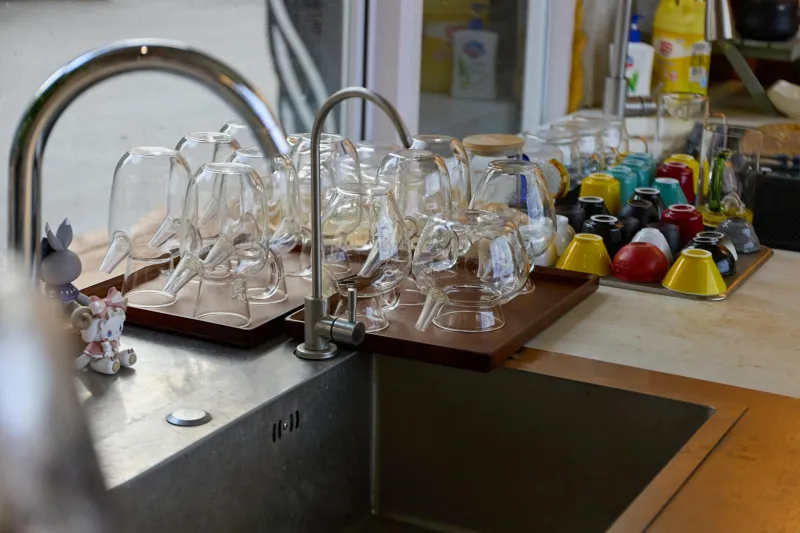
The beverage industry didn't exactly discourage this interpretation. Bottled water companies, sports drink manufacturers, and hydration-focused brands found themselves with a perfectly packaged health claim that encouraged constant consumption. Marketing campaigns began featuring the eight-glasses rule as established science, complete with images of clear glasses lined up like a daily medication schedule.
Your Body Already Knows What It's Doing
Modern kidney specialists and hydration researchers have a different perspective on daily water needs: your body is remarkably good at telling you when you need fluids. Thirst isn't a malfunction or a sign that you're already dangerously dehydrated — it's a finely tuned biological system that has kept humans alive for millennia.
Dr. Stanley Goldfarb, a nephrologist at the University of Pennsylvania, has pointed out that healthy kidneys can process and conserve water with extraordinary efficiency. When you're properly hydrated, they produce less urine. When you need more fluids, they conserve what you have while your brain triggers thirst.
 Photo: Dr. Stanley Goldfarb, via thenationaldesk.com
 Photo: University of Pennsylvania, via i.pinimg.com
The eight-glasses rule ignores individual differences that matter enormously: body size, activity level, climate, overall health, and what you eat. A sedentary office worker in Minneapolis needs vastly different hydration than a construction worker in Phoenix, yet both are supposed to follow the same arbitrary number.
The Real Science of Staying Hydrated
Here's what hydration research actually shows: most Americans are adequately hydrated most of the time. Studies of healthy adults find that serious dehydration is rare outside of extreme circumstances like intense exercise, illness, or extreme heat.
Your urine color provides a much better hydration gauge than any predetermined water schedule. Pale yellow indicates proper hydration, while dark yellow suggests you need more fluids. Clear urine might actually indicate overhydration, which can dilute essential electrolytes.
Food contributes about 20% of daily fluid intake for most Americans — fruits, vegetables, soups, and other beverages all count. Coffee and tea, despite persistent myths about their dehydrating effects, contribute positively to hydration status for regular drinkers.
Why the Myth Persists
The eight-glasses rule survives because it feels scientific and actionable. In a world of complex nutritional advice, it's refreshingly simple: drink this much water, check this box, improve your health. It also aligns perfectly with broader cultural messages about self-improvement and taking control of wellness.
Plus, following the rule rarely causes obvious harm. Drinking extra water might be unnecessary for most people, but it's generally harmless unless taken to extremes. This creates a perfect environment for a myth to flourish — it feels beneficial, sounds official, and doesn't immediately backfire.
The Bottom Line
The next time someone tells you to drink eight glasses of water daily, remember that they're repeating advice based on a 1945 government document that was misunderstood from day one. Your kidneys, your thirst, and your common sense are far better guides to hydration than an arbitrary number that ignores everything about your individual needs.
Drink when you're thirsty. Pay attention to your body's signals. And maybe question the next health rule that everyone "knows" but nobody can quite explain.