Breakfast Became Sacred in America — Chronobiologists Think the Clock Matters More Than the Meal

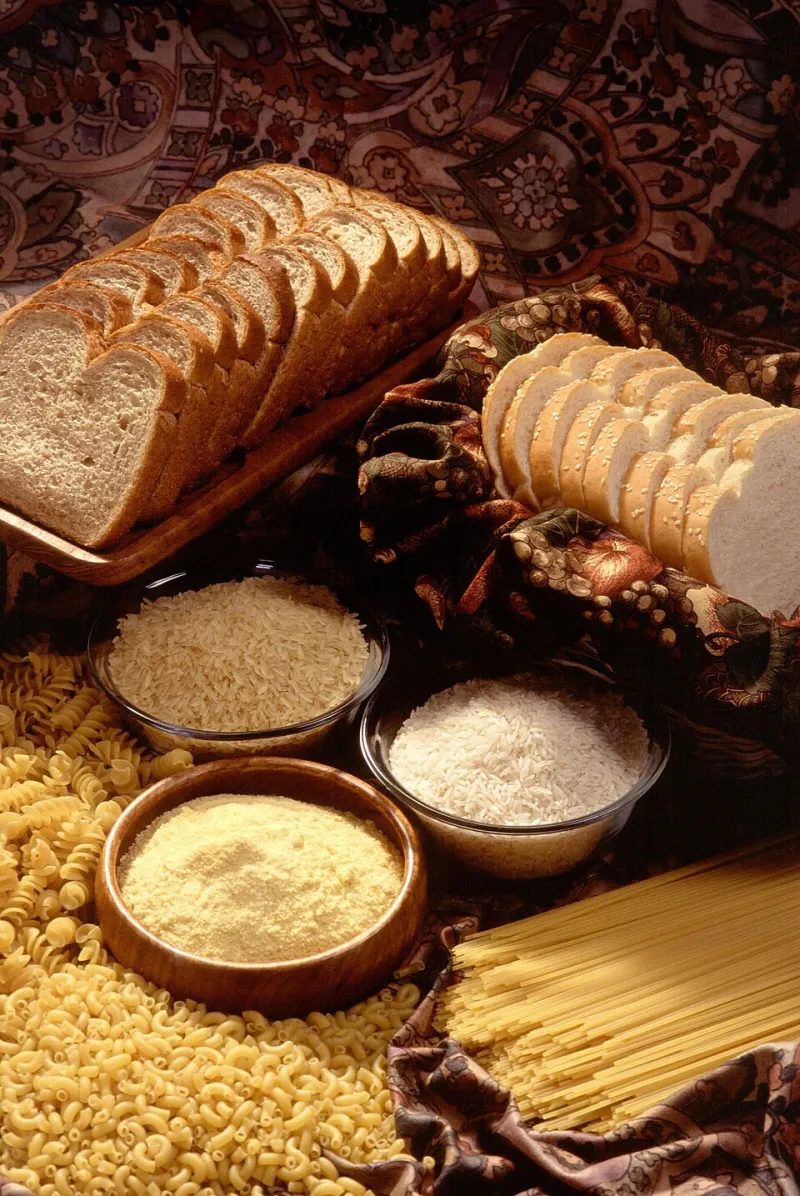
Photo: Bjankuloski06, CC BY 4.0, via Wikimedia Commons
Ask almost any American about breakfast and you'll get a version of the same answer: it's the most important meal of the day. Parents say it. Doctors used to repeat it without blinking. School nutrition programs were built around it. For decades, skipping your morning meal felt less like a dietary choice and more like a moral failing — the nutritional equivalent of forgetting to brush your teeth.
But spend a few minutes with modern circadian rhythm research and that certainty starts to loosen. The real story behind breakfast absolutism is part food industry history, part oversimplified science, and part cultural inertia that's taken decades to start unwinding.
Where the Phrase Actually Came From
The line "breakfast is the most important meal of the day" has a surprisingly commercial origin. It was popularized in the early 20th century, most notably through marketing campaigns tied to breakfast cereal manufacturers — including, famously, the Kellogg company. By the mid-century, the message had been absorbed so thoroughly into American health culture that it no longer felt like advertising. It felt like fact.
There was some legitimate science attached to the idea, particularly studies showing that children who ate breakfast performed better in school. Those findings were real, but they were gradually stretched into a universal dietary rule that applied to every adult regardless of lifestyle, biology, or preference. A finding about undernourished kids and morning cognition became a gospel about when all humans should eat.
What Chronobiology Actually Studies
Chronobiology is the science of how biological processes follow internal time patterns — your circadian rhythm. And over the last two decades, researchers in this field have started asking a more precise question than "should you eat breakfast?" They've been asking: when is your body actually prepared to process food efficiently?
The answer, it turns out, is not the same for everyone — and it's not simply "first thing in the morning."
Your body's insulin sensitivity, cortisol levels, digestive enzyme activity, and gut motility all follow circadian patterns. In the early morning hours, most people are in a state of elevated cortisol — a natural wake-up mechanism that also affects how glucose is processed. Some research suggests that eating a large meal while cortisol is peaking may not be metabolically ideal for everyone. Other studies have found that calories consumed earlier in the active phase of the day tend to be processed more efficiently than the same calories eaten late at night.
Here's the nuance that gets lost: "earlier in your active day" doesn't automatically mean 7 a.m. It means earlier relative to your circadian rhythm — which varies significantly between individuals.
The Morning Person Problem
Chronotypes — your biological tendency toward being a morning person or a night owl — are real, genetically influenced, and widely variable. A person whose circadian rhythm runs late isn't being lazy when they're not hungry at 6:30 a.m. Their cortisol peak, their digestive readiness, their metabolic window may all be shifted a few hours later. Forcing an early breakfast on that person isn't necessarily the metabolic boost it's advertised as.
Research published in journals like Cell Metabolism and Obesity has explored time-restricted eating — the practice of compressing your meals into a defined window — and found that when that window sits within the day matters as much as its duration. Eating in alignment with your body's natural hormonal rhythms appears to support better blood sugar regulation and metabolic efficiency, independent of whether breakfast is the first item on the agenda.
None of this means breakfast is bad. For many people — particularly those who are genuinely hungry in the morning, those who exercise early, and children whose brains are developing rapidly — a solid morning meal makes complete sense. The problem isn't breakfast. The problem is the word "everyone."
Why the Myth Held On So Long
A few forces kept breakfast absolutism alive well past its expiration date. First, the research supporting breakfast was real but narrowly applicable, and the nuance got dropped as it traveled from academic papers to public health messaging. Second, the food industry had enormous financial incentive to keep morning eating non-negotiable — cereal, orange juice, breakfast bars, and fast-food morning menus represent billions of dollars annually.
Third, and maybe most importantly, "eat breakfast" is an easy, actionable instruction. "Eat in alignment with your individual chronotype and hormonal rhythms" is not a sentence that fits on a cafeteria poster.
Simplified advice has a long shelf life precisely because it's simple. Nuanced advice requires people to pay attention to their own bodies, which is harder to package and sell.
The Actual Takeaway
If you love breakfast and feel better when you eat it, keep eating it — the research isn't telling you to stop. But if you've spent years forcing yourself to eat at 7 a.m. because you believed skipping it would wreck your metabolism, the science is more forgiving than you were taught.
The emerging consensus isn't "breakfast is important" or "breakfast is overrated." It's that meal timing matters, that it interacts with your individual biology, and that a rule invented partly by cereal companies probably deserves a little more scrutiny than it's historically received.
Your body has a clock. It turns out that clock is a better guide than a slogan.