Carbs Became the Villain of American Diets — Metabolism Has a More Honest Version of Events
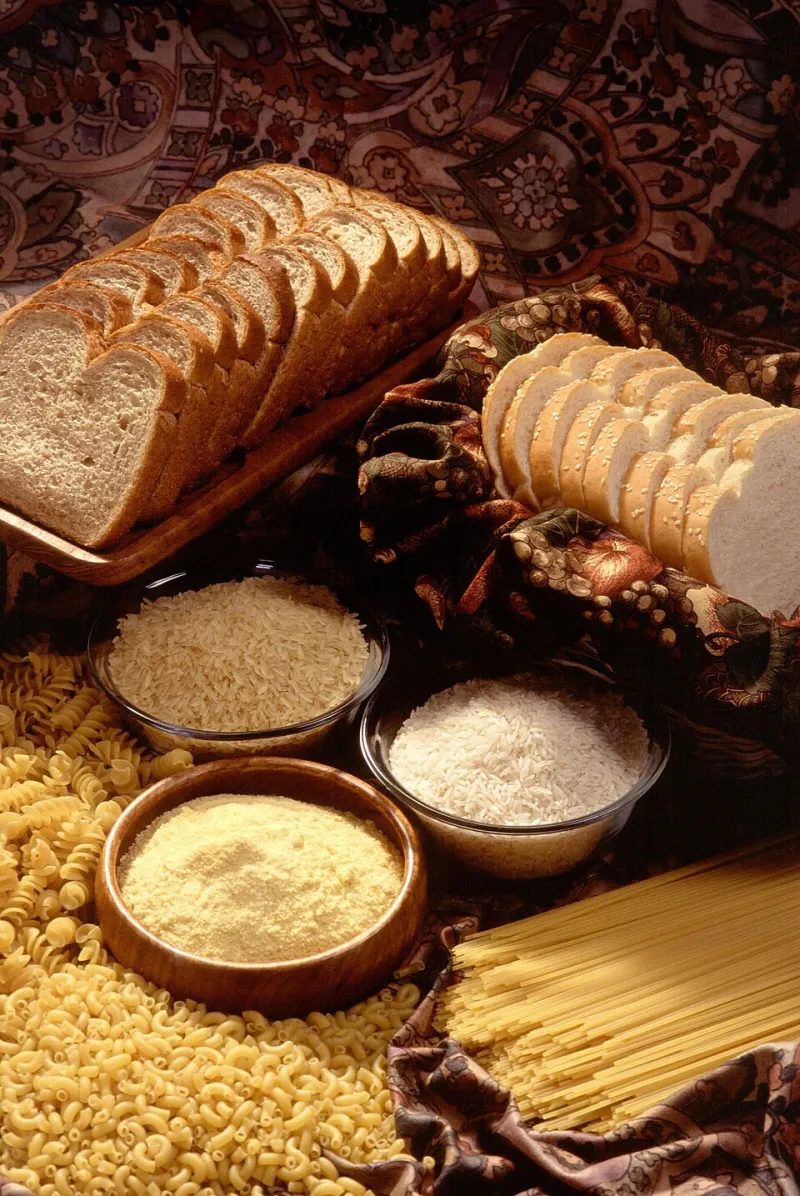
Photo: Scott Bauer, U.S. Department of Agriculture, Public domain, via Wikimedia Commons
At some point in the last thirty years, carbohydrates became the dietary equivalent of a wanted poster. Bread was suspicious. Pasta was a problem. Rice needed explaining. The idea that carbs — not fat, not overall calories, not lifestyle — were the primary driver of weight gain became so embedded in American diet culture that it now functions less like a theory and more like common knowledge.
Ask someone why they're avoiding bread and they'll often say something like, "Oh, carbs just turn straight to fat." It sounds metabolically plausible. It's also not really how any of this works.
The Kernel of Truth That Got Stretched
Like most durable myths, the carbs-cause-weight-gain idea didn't emerge from nothing. It has a metabolic foundation — it's just been pulled so far from its original context that the shape barely resembles the source.
Here's what's actually true: when you eat carbohydrates, your body breaks them down into glucose. Glucose enters the bloodstream, triggering insulin release from the pancreas. Insulin helps shuttle glucose into cells for energy. If you eat more glucose than your cells need in the moment, the excess gets stored — first as glycogen in the liver and muscles, and then, if glycogen stores are already full, converted to fat through a process called de novo lipogenesis.
That last part is where "carbs turn to fat" comes from. And technically, yes — that conversion can happen. The problem is the conditions required for it to happen at meaningful levels. De novo lipogenesis becomes significant when you're consistently eating carbohydrates far in excess of what your body can store or use. In most real-world dietary conditions, it's a minor pathway. Your body much prefers to burn dietary carbohydrates for energy and store dietary fat as fat — because storing fat from fat is metabolically cheaper than converting carbohydrates first.
What Actually Determines Whether You Gain Weight
Nutritional biochemistry has been fairly consistent on this point for decades, even as diet culture has lurched from one macro-villain to the next: total energy balance is the primary driver of weight change for most people. Consume more calories than you expend over time, and your body stores the excess. Consume fewer, and it draws on stored energy. The macronutrient source of those calories — whether carbohydrate, fat, or protein — matters less than the total, and matters differently depending on individual metabolic factors.
Studies comparing low-carb and low-fat diets have found that both produce similar long-term weight loss outcomes when calorie intake is matched. The meta-analyses are pretty consistent on this. Low-carb diets often show faster early weight loss, but a significant portion of that is water weight — glycogen stores hold water, and when you deplete them, that water leaves with them. It's real weight on the scale, but it's not the same thing as fat loss.
Protein is worth mentioning separately, because it's the macro that genuinely does have some metabolic advantages — higher satiety, a larger thermic effect (meaning your body burns more calories processing it). Many low-carb diets work in part because reducing carbs often means increasing protein, and protein is genuinely filling. But that's a protein story more than an anti-carb story.
How a Reasonable Idea Became an Entire Ideology
The modern low-carb movement has roots in the 1860s — William Banting published a popular pamphlet about his low-starch diet that became a Victorian sensation. The idea resurfaced periodically through the 20th century before Robert Atkins turned it into a cultural phenomenon with his 1972 book. The timing mattered: the 1970s saw the U.S. government issue dietary guidelines recommending reduced fat intake, which inadvertently created space for the food industry to flood the market with low-fat, high-sugar processed products. Americans got fatter. Carbs took the blame.
What got lost in translation was the distinction between types of carbohydrates. Highly processed refined carbs — white bread, sugary cereals, soda, packaged snack foods — do cause rapid blood sugar spikes, are easy to overconsume, and are associated with worse metabolic outcomes. Whole food carbohydrates — legumes, whole grains, vegetables, fruit — behave very differently in the body, digest more slowly, and come packaged with fiber, vitamins, and compounds that refined carbs don't have.
Collapsing all of those into one category called "carbs" and declaring them the enemy is a bit like saying "liquids are dangerous" because both water and bleach are wet. The category is too broad to be useful as a dietary villain.
The Insulin Argument and Where It Actually Lands
A popular version of the low-carb argument focuses on insulin specifically — the idea that elevated insulin drives fat storage and prevents fat burning, so keeping insulin low through carb restriction is the key to weight loss. This is sometimes called the carbohydrate-insulin model of obesity.
The model has real proponents in nutrition science, and there's something to it in specific contexts, particularly for people with insulin resistance or type 2 diabetes, where carbohydrate management genuinely matters clinically. But as a universal explanation for why people gain weight, it's been repeatedly challenged by controlled feeding studies showing that calorie-matched diets produce similar fat loss regardless of carbohydrate content. The insulin story is real; the leap to "therefore everyone should avoid carbs" is the part that outran the evidence.
The Takeaway
Carbohydrates aren't innocent of everything — processed, refined carbs are legitimately easy to overeat and offer poor nutritional value. Carbohydrate management matters meaningfully for people with diabetes or insulin resistance. But for most healthy people, "carbs make you fat" is a dramatic oversimplification of a metabolic process that's really about total calories, food quality, and individual physiology. The bread isn't the problem. The full loaf you didn't notice eating while watching TV might be a different conversation.