The 30-Minute Swimming Rule Was Never Based on Science — Here's What Actually Happens
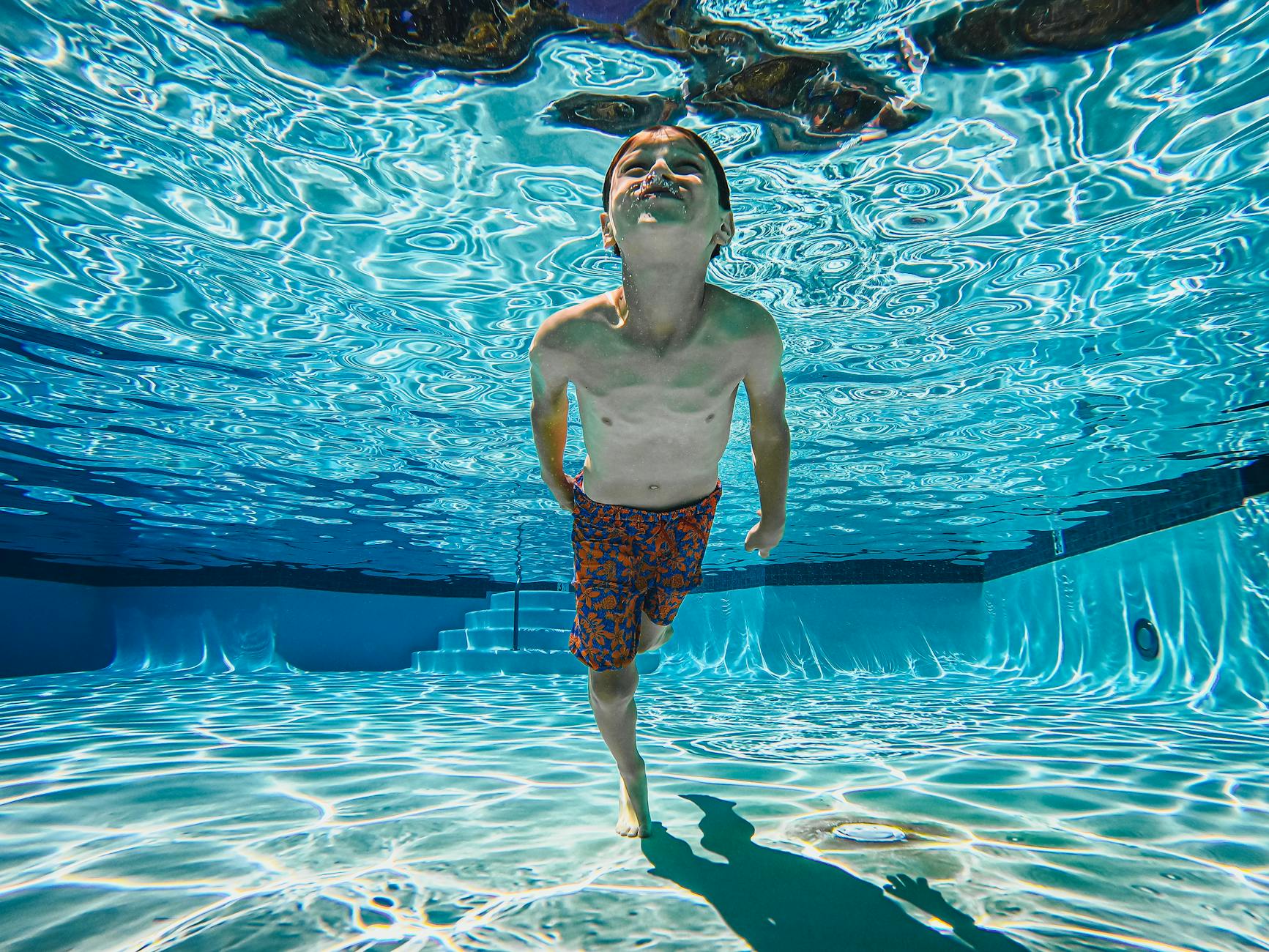
The 30-Minute Swimming Rule Was Never Based on Science — Here's What Actually Happens
If you grew up in the United States, you almost certainly heard it. You'd finish your sandwich at a summer cookout, start heading toward the pool, and an adult would stop you cold: "You have to wait 30 minutes after eating before you swim." No negotiation. No explanation beyond something vague about cramps. Just the rule.
For most of us, that rule felt as authoritative as anything a doctor might say. It was repeated by parents, enforced by camp counselors, and accepted without question across decades of American summers. The only problem? There's no real medical foundation behind it.
Where Did This Rule Even Come From?
The exact origin is hard to pin down, but the warning appears to have roots in early 20th-century physical education culture, a period when guidance about exercise and health was often more intuition than evidence. The underlying concern was that eating a meal diverts blood flow to your digestive system, and if you then ask your muscles to work hard, they won't get the circulation they need — leading to cramping, exhaustion, and in the most dramatic version of the story, drowning.
The American Red Cross helped cement the idea for generations by including swim-after-eating warnings in its safety literature for much of the 20th century. When a trusted institution puts something in writing and repeats it across decades of lifeguard training and summer camp curricula, it becomes common knowledge — whether or not the underlying science holds up.
What Actually Happens Physiologically
Here's the real story. When you eat, your body does increase blood flow to your gastrointestinal tract to support digestion. That part is accurate. But the human cardiovascular system is not a fixed pipe with a limited supply — it's an adaptive network. Your heart pumps more blood overall when you exercise. The idea that your muscles would be dangerously starved of circulation just because your stomach is also working is a significant overstatement of how the body operates.
What can realistically happen? A side stitch — that sharp, annoying cramp under your ribs that runners and swimmers sometimes experience. Side stitches are uncomfortable. They can make you want to stop. But they are not dangerous, and they are certainly not the kind of incapacitating emergency that would cause a healthy person to drown.
The American Red Cross quietly revised its position on this years ago. Current guidance acknowledges that while vigorous exercise right after a large meal might cause discomfort, it does not pose a serious safety risk for most people. That's a long way from the absolute prohibition many of us grew up with.
Why a Mild Caution Became a Hard Rule
This is one of the more interesting parts of the story. The original concern wasn't entirely irrational — there's a kernel of biological truth in the idea that digestion and intense exercise compete for resources. But "you might feel a little uncomfortable if you go hard right after a big meal" is a very different message from "you will cramp up and drown."
Parenting culture has a strong tendency to convert cautious suggestions into firm rules, especially when children's safety is involved. If there's any possible risk, why not err on the side of caution? The problem is that "caution" can harden into "fact" over time, particularly when the rule gets passed down without the original hedging. By the third or fourth generation of parents repeating it, the "might" becomes a "will," and the rule feels medically established even when it isn't.
Summer camps, in particular, likely played a role in standardizing the warning. A rule that keeps kids sitting quietly after lunch is also a rule that gives staff a predictable rest period. Practical camp management and overstated health warnings can reinforce each other in ways that make a myth surprisingly durable.
So What Should You Actually Do?
Common sense still applies here. If you've just eaten a large meal — a full plate of food, not a handful of chips — jumping immediately into intense lap swimming might make you feel sluggish or give you a side stitch. Waiting 20 or 30 minutes before going hard isn't terrible advice on comfort grounds alone.
But the specific 30-minute figure has no special medical significance, and the danger of drowning from swimming after eating is not a real risk for healthy individuals. Casual swimming, playing in the shallow end, or light movement in the water after eating is simply not dangerous. The nightmare scenario that generations of parents were implicitly describing — a child seizing up with cramps and sinking — is not supported by evidence.
If you want to wait because you feel better doing so, that's perfectly reasonable. But you're not defying medical science by cannonballing in after lunch.
The Takeaway
The 30-minute swimming rule is a case study in how a small grain of physiological truth gets amplified, institutionalized, and eventually treated as established fact. Eating before vigorous exercise can cause mild discomfort. It cannot cause you to drown. The distinction matters — and it's one that took decades of cultural repetition to blur almost completely.