The Six-Meals-a-Day Rule Wasn't Based on Science — It Was Based on Vibes

Photo: Shixart1985, CC BY 2.0, via Wikimedia Commons
The Six-Meals-a-Day Rule Wasn't Based on Science — It Was Based on Vibes
If you were paying any attention to diet culture in the 1990s or early 2000s, you know the rule: eat five or six small meals throughout the day to keep your metabolism "stoked." Skip meals and your metabolism crashes into starvation mode. Eat constantly and your body becomes a calorie-burning furnace. The advice was everywhere — fitness magazines, personal trainers, bodybuilding forums, daytime talk shows, and nutrition coaches who charged a lot of money to tell you to eat a handful of almonds every three hours.
It felt scientific. It used words like "metabolism" and "thermogenesis." It had an intuitive logic to it. And it was, by the standards of actual metabolic research, almost entirely wrong.
Where the Idea Came From
The "stoke the metabolic fire" concept didn't emerge from a single study or a landmark clinical finding. It grew from a combination of loosely connected observations and a very appealing metaphor.
The biological kernel at the center of it is real: digesting food does burn calories. When you eat, your body expends energy processing that meal — breaking it down, absorbing nutrients, and managing the metabolic response. This is called the thermic effect of food (TEF), and it accounts for roughly 10 percent of your total daily energy expenditure.
Somewhere along the way, fitness culture took that real phenomenon and drew a logical-sounding but incorrect conclusion: if eating causes calorie burning, then eating more frequently must cause more calorie burning. Keep the furnace stoked. Never let the fire go out.
The problem is that TEF doesn't work that way. What drives the thermic effect isn't how often you eat — it's how much you eat. The total calories burned through digestion over a day are determined almost entirely by the total amount of food consumed, not by how many times you sit down to eat it.
What the Research Actually Shows
This is one of those areas where nutritional science is unusually clear, which makes the persistence of the myth more striking.
Multiple controlled studies comparing different meal frequencies — two meals a day versus six, three versus five, and various other configurations — consistently find no meaningful difference in total metabolic rate when total caloric intake is held constant. Your body doesn't burn more calories in a day because you ate six times instead of three. The math works out to roughly the same number either way.
A comprehensive review published in the journal Nutrition Reviews examined the evidence across multiple studies and found no support for the idea that increased meal frequency enhances weight loss or boosts metabolism in healthy adults. Another frequently cited study from the British Journal of Nutrition reached the same conclusion: meal frequency had no significant effect on fat loss, body composition, or resting metabolic rate.
 Photo: British Journal of Nutrition, via www.finut.org
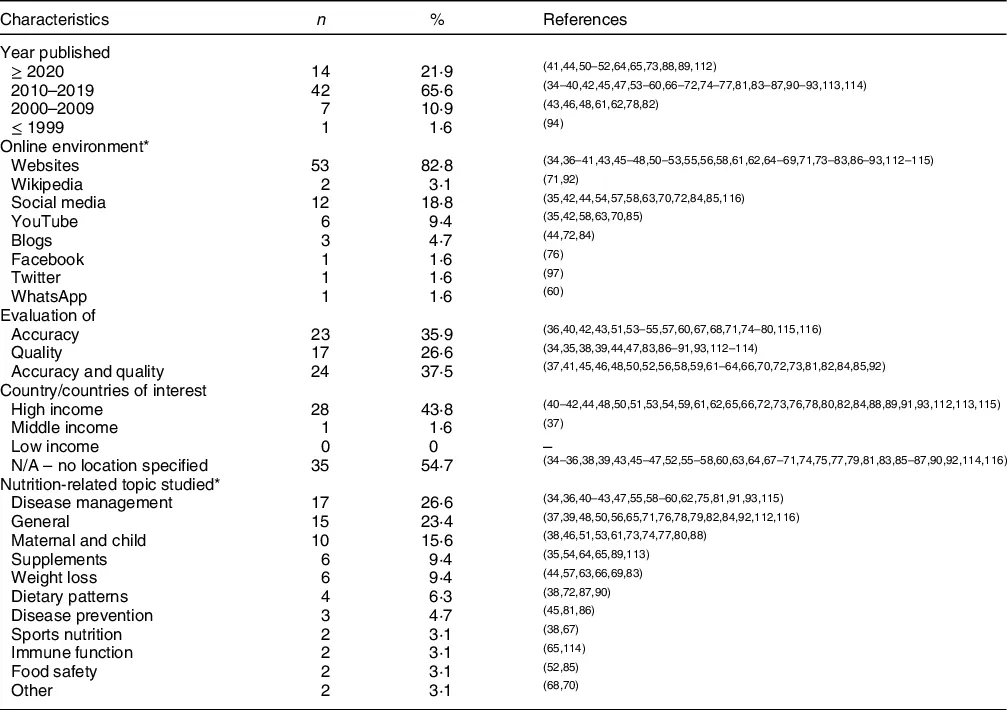 Photo: Nutrition Reviews, via static.cambridge.org
The "starvation mode" piece of the myth — the idea that skipping a meal causes your metabolism to crash and start hoarding fat — is also significantly overstated. Your metabolism does adapt downward during extended periods of severe caloric restriction, but that process takes days to weeks of significant undereating, not the three hours between breakfast and lunch.
Why It Felt So True
Few myths spread without a reason, and this one had several working in its favor.
First, the thermic effect of food is real, which gave the underlying logic a veneer of scientific legitimacy. If you already knew that digestion burns calories, the leap to "more eating equals more burning" feels like simple arithmetic rather than a flawed assumption.
Second, people who adopted the six-meal approach often did feel better — more energy, fewer hunger crashes, more consistent focus throughout the day. Those experiences were real. They just weren't caused by a metabolic boost. They were caused by better blood sugar regulation from more consistent eating patterns, reduced binge eating from never getting ravenously hungry, and the psychological satisfaction of having a structured plan. Those are genuine benefits. They just have nothing to do with metabolism speed.
Third, the fitness industry had powerful commercial reasons to promote the idea. More meals meant more meal planning, more supplements, more protein bars, more coaching sessions, more meal prep services. A nutrition philosophy built around constant eating is considerably more product-friendly than one built around eating less often.
And fourth, it fit perfectly into the 1990s cultural obsession with optimization. The decade was full of ideas about fine-tuning the body like a machine — maximum efficiency, peak performance, no wasted potential. Eating six times a day sounded like the metabolic equivalent of a finely tuned engine. Three meals a day sounded like something your grandparents did.
What Actually Matters for Metabolism
The honest answer from the research is both simpler and less exciting than the six-meal philosophy suggested.
Total caloric intake relative to total caloric expenditure is the dominant factor in weight management. Meal frequency, within reasonable ranges, has minimal impact on that equation. What does meaningfully affect your metabolic rate includes muscle mass (more muscle burns more calories at rest), overall physical activity, sleep quality, and — to a degree — the composition of your diet.
For some people, eating more frequently genuinely helps with appetite control, making it easier to avoid overeating at any single meal. For others, intermittent fasting or time-restricted eating works better for the same reason: it creates a structure that reduces total intake. Neither approach is metabolically superior. Both are just tools for managing the number that actually matters.
The Takeaway
The six-meals-a-day rule wasn't a lie exactly — it was a plausible-sounding extrapolation from a real biological fact that got amplified by commercial interests and a culture hungry for optimization hacks. The thermogenesis research was always there. It just wasn't as interesting as the idea of a metabolism you could rev up like an engine.
Eat in whatever pattern helps you feel good and manage your intake effectively. Your metabolism isn't keeping score of how often you open the refrigerator.