The Kitchen Lie That Conquered the World
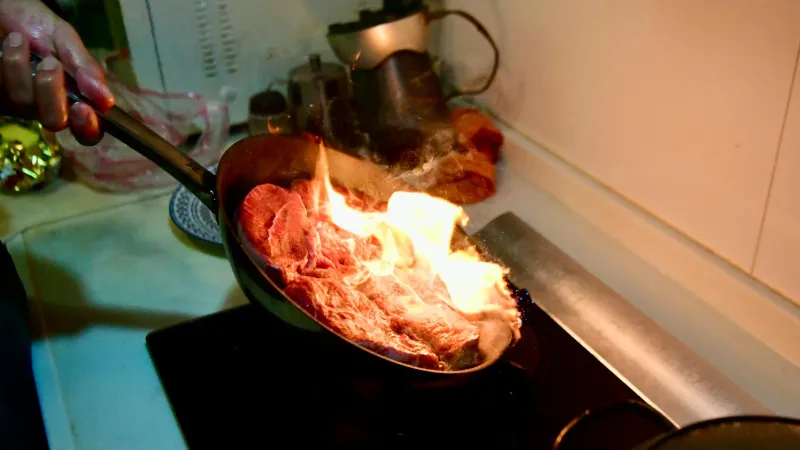
Walk into any American kitchen and mention searing a steak, and you'll hear the same confident explanation: "You've got to sear it first to seal in all the juices." This isn't just casual cooking advice — it's repeated in professional culinary schools, printed in bestselling cookbooks, and demonstrated by celebrity chefs on television. The idea that high-heat searing creates an impermeable barrier that locks moisture inside meat has become one of the most universally accepted "facts" in cooking.
There's just one problem: it's completely, demonstrably wrong.
Not only does searing fail to seal in juices — it actually causes meat to lose moisture faster than gentler cooking methods. The technique that millions of home cooks swear makes their steaks juicier is literally doing the opposite of what they think it's doing.
What Actually Happens When You Sear Meat
When you place a piece of meat on a screaming-hot pan, you can hear it sizzle immediately. That sound isn't the meat "sealing" — it's water rapidly converting to steam and escaping into the air. The higher the heat, the more dramatic this moisture loss becomes.
Food scientist Harold McGee conducted one of the most famous experiments debunking the sealing myth back in the 1980s. He took identical pieces of meat, seared some at high heat and cooked others at lower temperatures, then measured the moisture content of the finished products. The results were unambiguous: the seared meat consistently lost more moisture than the unseared meat.
 Photo: Harold McGee, via www.cooksinfo.com
This finding has been replicated dozens of times by food scientists, culinary schools, and curious home cooks with kitchen scales. The evidence is overwhelming and consistent — searing does not seal in juices. In fact, it does exactly the opposite.
So why does virtually everyone believe otherwise?
The German Chemist Who Started It All
The sealing myth can be traced back to a single source: Justus von Liebig, a 19th-century German chemist who made groundbreaking contributions to agricultural and biological chemistry. In 1850, Liebig proposed that when meat is exposed to high heat, the surface proteins coagulate and form a barrier that prevents interior moisture from escaping.
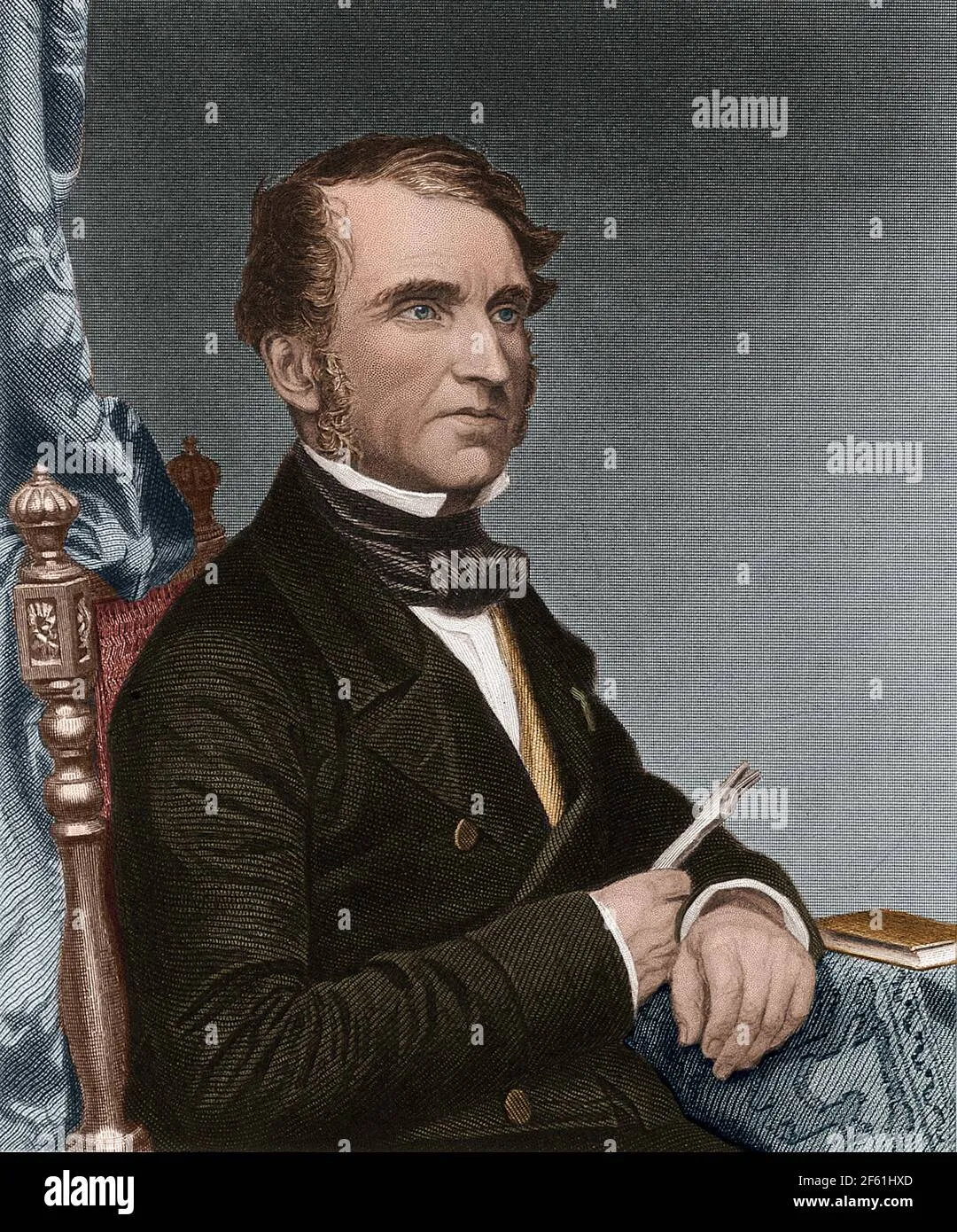 Photo: Justus von Liebig, via c8.alamy.com
Liebig's theory sounded perfectly logical for its time. He was a respected scientist, and his explanation aligned with what cooks could observe: seared meat did seem to have a different, more substantial surface than meat cooked at lower temperatures. The problem was that Liebig was theorizing based on limited observation rather than controlled experimentation.
Liebig never actually tested whether this theoretical "seal" prevented moisture loss. He simply assumed it did, and his reputation was sufficient to make the cooking world accept his hypothesis as fact.
How a Scientific Theory Became Kitchen Gospel
Liebig's sealing theory might have remained an obscure footnote in chemistry history, but it arrived at exactly the right moment to capture the culinary world's imagination. The late 1800s were a time of rapid industrialization and scientific advancement, and cooks were eager to embrace "scientific" cooking methods that promised better, more predictable results.
The sealing theory was picked up by influential cookbook authors like Auguste Escoffier, who codified it in his legendary "Le Guide Culinaire" in 1903. From there, it spread through professional kitchens and eventually into home cooking guides, where it was presented not as a theory but as established scientific fact.
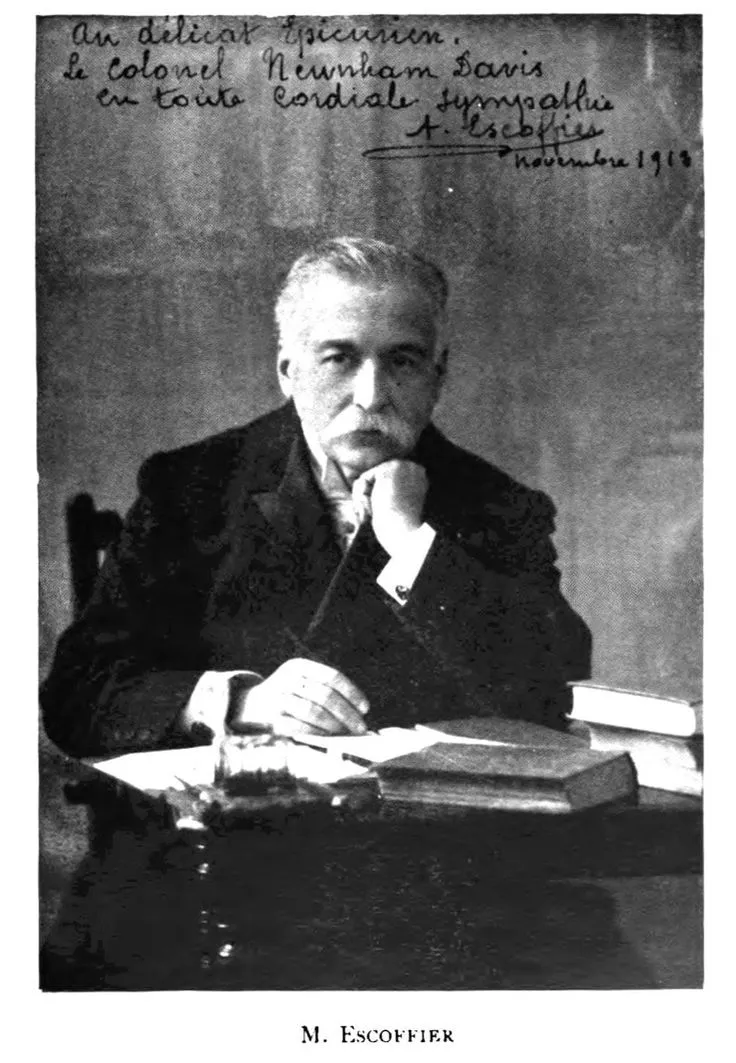 Photo: Auguste Escoffier, via i.pinimg.com
By the time food scientists began seriously studying cooking in the mid-20th century, the sealing myth was so deeply embedded in culinary culture that questioning it seemed almost heretical. Even when research clearly disproved Liebig's theory, the cooking establishment was slow to abandon a technique that had been considered fundamental for nearly a century.
The Real Science Behind Why Seared Meat Tastes Better
If searing doesn't seal in juices, why do most people think seared meat tastes better? The answer lies in chemistry, but not the kind Liebig imagined.
When proteins and sugars in meat are exposed to high heat, they undergo a complex series of chemical reactions known as the Maillard reaction. Named after French chemist Louis-Camille Maillard, these reactions create hundreds of new flavor compounds that give seared meat its distinctive taste and aroma.
The Maillard reaction is responsible for the rich, savory flavors we associate with properly cooked meat — the difference between a pale, boiled chicken breast and a golden-brown, pan-seared one. These reactions only occur at high temperatures, which is why searing does improve flavor, just not for the reasons most people think.
The irony is that while Liebig was wrong about sealing, he was accidentally right about the value of high-heat cooking. Searing does make meat taste better — it just has nothing to do with moisture retention and everything to do with flavor development.
The Persistence of Culinary Mythology
Why has the sealing myth proven so resistant to scientific debunking? Part of the answer lies in how cooking knowledge is transmitted. Unlike other fields where new research quickly replaces old theories, culinary traditions are often passed down through apprenticeships, family recipes, and cultural practices that prioritize tradition over scientific accuracy.
Professional chefs, in particular, have been reluctant to abandon the sealing explanation because it provides a simple, confident-sounding rationale for a technique they know works. Telling a customer that you're searing their steak "to create Maillard reactions that develop complex flavor compounds" sounds less accessible than "sealing in the juices."
Cookbook authors and food television personalities have perpetuated the myth for similar reasons. The sealing explanation is easy to understand and remember, while the actual science involves chemistry concepts that many people find intimidating.
The Modern Cooking Revolution
Interestingly, the most innovative corners of modern cooking have largely moved beyond the sealing myth. Techniques like sous vide cooking, which involves sealing food in vacuum bags and cooking it in precisely controlled water baths, have demonstrated that you can achieve incredibly juicy results without any high-heat searing at all.
Chefs who use sous vide often sear meat after it's already been cooked to the desired internal temperature, treating searing as a finishing technique for flavor and texture rather than a moisture-preservation method. This approach produces results that would be impossible if the sealing theory were true.
Similarly, the rise of reverse searing — cooking meat slowly at low temperature before finishing with high heat — has shown home cooks that the traditional sear-first approach isn't necessarily optimal for moisture retention.
What This Means for Your Kitchen
Understanding the real science behind searing doesn't mean you should stop doing it. High-heat cooking absolutely improves the flavor of meat through the Maillard reaction. But recognizing that searing doesn't seal in juices can actually make you a better cook.
If your goal is maximum juiciness, you might choose to cook at lower temperatures for longer periods, finishing with a quick sear for flavor. If you want the complex tastes that only high-heat cooking can provide, you can sear with the understanding that you're trading some moisture for enhanced flavor — a perfectly reasonable trade-off.
The key is making informed decisions based on actual science rather than 150-year-old misconceptions. When you understand what searing really does — and what it doesn't do — you can use it more effectively as part of a broader cooking strategy.
The Bigger Picture
The sealing myth represents something larger than just a cooking misconception. It's a perfect example of how scientific-sounding explanations can persist for generations, even after they've been thoroughly debunked. Once an idea becomes embedded in cultural practice, it takes more than evidence to dislodge it — it requires a fundamental shift in how people think about the underlying process.
In the kitchen, as in many other areas of life, the most confident-sounding explanations aren't always the most accurate ones. Sometimes the truth is more complex, more nuanced, and ultimately more interesting than the simple stories we tell ourselves about why things work the way they do.