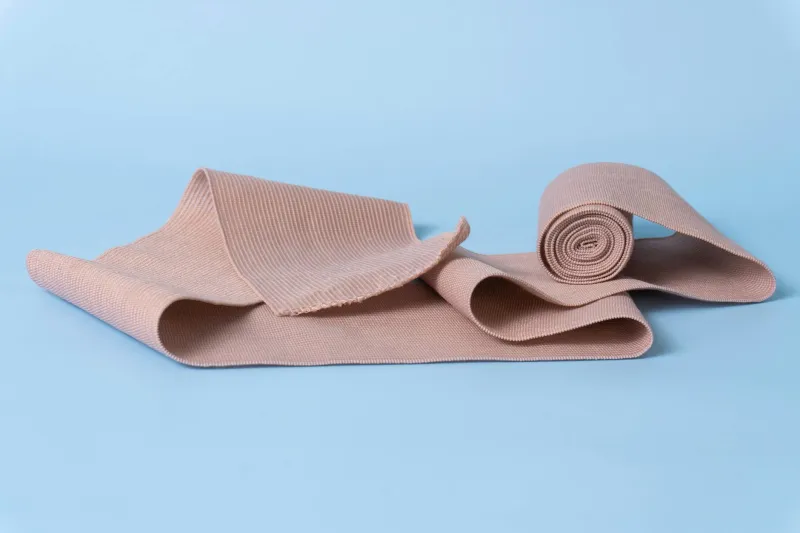
Sprain your ankle, and the advice comes automatically: Rest, Ice, Compression, Elevation. RICE has been the default response to minor injuries for so long that it feels like established medical fact. Coaches teach it, parents pass it down, and first aid courses treat it as gospel.
There's just one problem: the doctor who created the RICE protocol spent the last decade of his career trying to convince people to stop using it.
The Physician Who Changed His Mind
Dr. Gabe Mirkin coined the term RICE in his 1978 book "The Sports Medicine Book." For decades, his four-step approach dominated injury treatment in everything from professional sports to elementary school playgrounds. Ice became synonymous with good injury care.
Then, in 2013, Dr. Mirkin published a remarkable reversal. "Coaches have used my 'RICE' guideline for decades, but now it appears that both ice and complete rest may delay healing, rather than help," he wrote. The man who created the most influential injury treatment protocol in modern medicine was publicly walking it back.
His change of heart wasn't based on new theories or alternative medicine trends. It came from mounting scientific evidence showing that inflammation — the very process RICE was designed to suppress — actually plays a crucial role in healing.
Why Ice Became the Default
The logic behind icing injuries seemed unassailable: inflammation causes pain and swelling, ice reduces inflammation, therefore ice speeds healing. This reasoning dominated sports medicine for decades and made intuitive sense to anyone who'd ever put a cold pack on a bruise.
The approach also had practical benefits that had nothing to do with healing. Ice genuinely reduces pain and swelling in the short term, making injured athletes feel better immediately. For coaches and trainers dealing with hurt players, ice provided an action to take that visibly helped with symptoms.
But reducing symptoms isn't the same as improving healing. And as researchers began studying inflammation more carefully, they discovered that the body's inflammatory response serves important purposes that ice interferes with.
What Inflammation Actually Does
Modern research shows that inflammation isn't just a side effect of injury — it's the first stage of healing. When tissues are damaged, inflammatory cells rush to the area to clean up debris, fight infection, and begin the repair process. This inflammatory response is precisely what triggers the body's healing mechanisms.
Ice doesn't just reduce pain and swelling; it also reduces blood flow to injured tissues. Less blood flow means fewer inflammatory cells reach the injury site, which sounds good until you realize those cells are exactly what the tissue needs to begin repairing itself.
Studies of iced versus non-iced injuries consistently show that ice delays the healing process. A 2013 study published in the Journal of Emergency Medicine found that icing ankle sprains actually prolonged recovery time compared to compression and elevation alone.
 Photo: Journal of Emergency Medicine, via images.journals.lww.com
The New Understanding of Recovery
Sports medicine has shifted toward promoting controlled movement and gradual loading of injured tissues rather than complete rest and ice. The updated approach recognizes that some inflammation is beneficial and that movement helps tissues heal properly.
The new acronym making rounds in sports medicine is PEACE & LOVE. PEACE stands for Protection, Elevation, Avoid anti-inflammatories, Compression, and Education. LOVE represents Load, Optimism, Vascularization, and Exercise. Notice what's missing? Ice and prolonged rest.
This approach focuses on protecting the injury initially while promoting blood flow and gradual return to function. Instead of trying to shut down the body's natural healing response, it works with the inflammatory process while managing pain through other methods.
Why Old Advice Dies Hard
Despite Dr. Mirkin's reversal and accumulating research, RICE remains standard advice in most first aid courses, sports programs, and even some medical offices. The persistence of outdated medical advice is a common phenomenon that extends far beyond injury treatment.
Several factors keep RICE alive. First, it's simple and memorable — much easier to teach than nuanced approaches to inflammation and tissue healing. Second, it provides immediate symptom relief, which feels like effective treatment even if it doesn't optimize healing.
Most importantly, changing medical practice is slow and difficult. Healthcare providers learn protocols during training and often continue using them for decades. Updating every coach, trainer, and first aid instructor requires massive educational efforts that take years to implement.
What to Do Instead
For minor injuries like sprains and strains, current sports medicine recommendations focus on:
Immediate care: Protect the injury from further damage and elevate if possible. Apply compression to control swelling, but avoid ice unless pain is severe.
Pain management: Over-the-counter pain relievers can help manage discomfort without completely shutting down inflammation. Heat may be more beneficial than ice for promoting blood flow.
Gradual movement: Begin gentle movement as soon as tolerable. Complete rest is rarely beneficial and often delays recovery.
Professional evaluation: Persistent pain, significant swelling, or inability to bear weight warrant medical evaluation regardless of home treatment.
The Bigger Picture About Medical Advice
The RICE story illustrates a broader truth about medical knowledge: it evolves constantly, but practice often lags behind research by years or decades. Treatments that seemed logical and effective can be superseded by better understanding of how the body actually works.
This doesn't mean medical advice is unreliable — it means medicine is a science that improves over time. The problem arises when outdated advice becomes so entrenched in popular culture that it persists long after the medical community has moved on.
Trusting Your Body's Healing Process
The shift away from RICE represents a broader recognition that the human body's healing mechanisms are sophisticated and generally effective when not interfered with. Rather than trying to suppress inflammation and immobilize injuries, modern approaches work with natural healing processes while managing symptoms.
This doesn't mean ignoring serious injuries or avoiding medical care. But for minor sprains and strains, the evidence increasingly supports trusting your body's inflammatory response while protecting the injury and gradually returning to normal activity.
The next time you twist an ankle or strain a muscle, resist the automatic urge to reach for ice. Your body's inflammatory response isn't a mistake to be corrected — it's a healing system that's been refined over millions of years of evolution. Even the doctor who told us to ice everything has come around to that view.