If you grew up in America, chances are good that someone — probably a parent or grandparent — told you to sit down and relax after eating a big meal. "Let your food settle," they'd say. "Give your stomach time to work." It seemed like common sense: your body is busy digesting, so don't distract it with movement.
Except that's exactly the opposite of what actually helps.
The Origins of the "Rest After Eating" Rule
This piece of dining etiquette has roots that go deeper than medical advice. Victorian-era social customs emphasized post-meal relaxation as a sign of refinement — wealthy families would retire to sitting rooms for conversation and digestion. The idea that movement interfered with proper digestion became intertwined with notions of proper behavior.
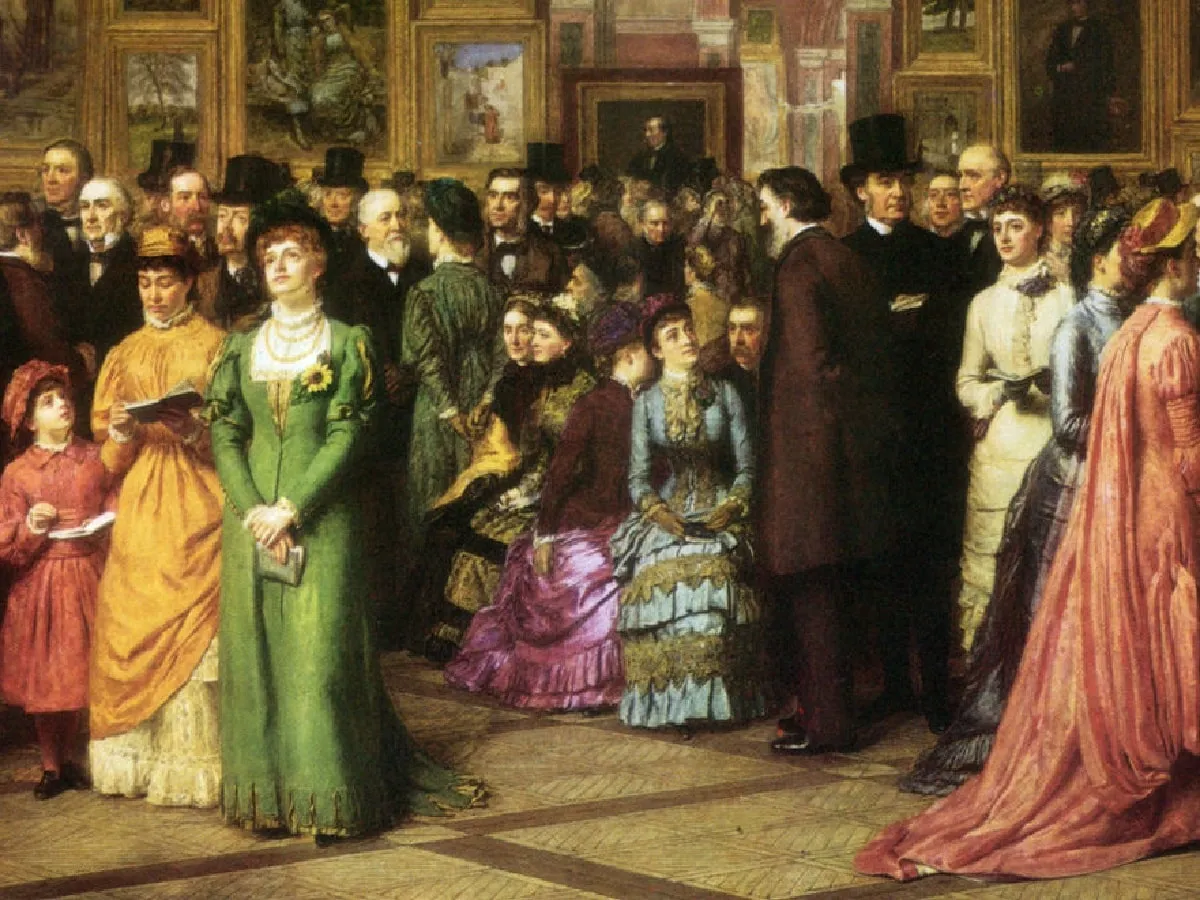 Photo: Victorian era, via hicoop.b-cdn.net
By the early 20th century, this social custom had transformed into health advice. Doctors began recommending post-meal rest, theorizing that physical activity would divert blood flow away from the digestive system. The logic seemed sound: if your muscles are working, your stomach can't work as efficiently.
There was just one problem with this theory: it wasn't actually true.
What Really Happens When You Move After Eating
Modern research has flipped the traditional advice on its head. Study after study shows that light physical activity after meals — particularly walking — actually improves multiple aspects of digestion and metabolism.
A 2013 study published in Diabetes Care found that even a slow 15-minute walk after eating significantly improved blood sugar control compared to sitting still. The effect was so pronounced that researchers recommended post-meal walks as a simple intervention for people managing diabetes.
But the benefits aren't limited to blood sugar. Movement after eating also speeds gastric emptying — the process by which your stomach moves food into your small intestine. Rather than interfering with digestion, gentle activity actually helps your digestive system work more efficiently.
The Blood Flow Myth Debunked
The old concern about "stealing" blood flow from your digestive system turns out to be based on a misunderstanding of how your circulatory system works. Your body is perfectly capable of managing blood flow to multiple organ systems simultaneously. Light walking doesn't create competition between your muscles and your stomach — it actually enhances circulation throughout your body, including to your digestive organs.
Dr. Andrew Reynolds, who has studied post-meal activity extensively, explains it this way: "The idea that you have to choose between digestion and movement is a false dichotomy. Your body is designed to handle both simultaneously."
 Photo: Dr. Andrew Reynolds, via res.cloudinary.com
Why the Walking Effect Is So Powerful
When you eat, your blood glucose levels naturally rise as your body breaks down carbohydrates. For most people, this spike is temporary and manageable. But remaining sedentary after eating can cause blood sugar to stay elevated longer than necessary.
Walking activates your muscles, which immediately begin using glucose for fuel. This helps clear sugar from your bloodstream more quickly and efficiently than sitting still. The effect is so reliable that some diabetes educators now recommend "post-meal walking prescriptions" to their patients.
The digestive benefits extend beyond blood sugar management. Movement stimulates the muscles in your intestinal wall, encouraging the natural wave-like contractions that move food through your system. It's like giving your digestive tract a gentle massage from the inside.
How Much Movement Actually Helps
You don't need to run a marathon after dinner. Research shows that even 10-15 minutes of casual walking provides significant benefits. The key is timing — starting your walk within 30 minutes of finishing your meal seems to maximize the positive effects.
Some studies have found benefits from as little as 2-5 minutes of walking after eating. The movement doesn't need to be intense; a leisurely stroll around the block is sufficient to trigger the metabolic improvements researchers have documented.
The Cultural Shift That's Already Happening
Interestingly, this research aligns with traditional practices in many cultures outside the United States. In parts of Europe and Asia, post-meal walks have long been considered normal and healthy. The American emphasis on post-meal rest may have been more of a cultural anomaly than universal wisdom.
Many restaurants in walkable American cities have noticed this shift. Diners are increasingly likely to take a stroll after their meal rather than lingering at the table — a change that benefits both their health and restaurant turnover.
The Simple Takeaway
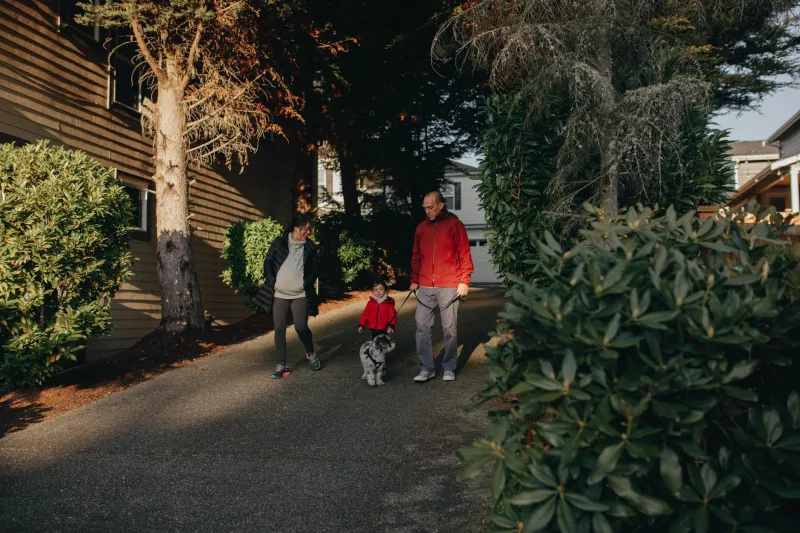
The next time you finish a substantial meal, resist the urge to collapse on the couch. Instead, take a short walk around your neighborhood, or even just pace around your house for a few minutes. Your blood sugar will thank you, your digestion will improve, and you might even sleep better that night.
Sometimes the best health advice is also the simplest: after you eat, take a walk. Your great-grandmother's post-meal sitting room ritual might have been elegant, but it wasn't doing her metabolism any favors.