That Poison Ivy Rash Isn't From Last Week's Hike — Your Jacket From Last Summer Might Be the Real Culprit
The Mystery Rash That Stumps Everyone
You wake up with the telltale blisters of poison ivy on your forearm. The problem? You haven't been hiking in months. Your last camping trip was in April, and it's now October. So where did this rash come from?
Most Americans think poison ivy exposure is straightforward: touch the plant, get a rash within a day or two. But this simple understanding misses a crucial detail that dermatologists see constantly — urushiol, the oil that causes poison ivy reactions, doesn't just disappear when you come inside.
The Oil That Time Forgot
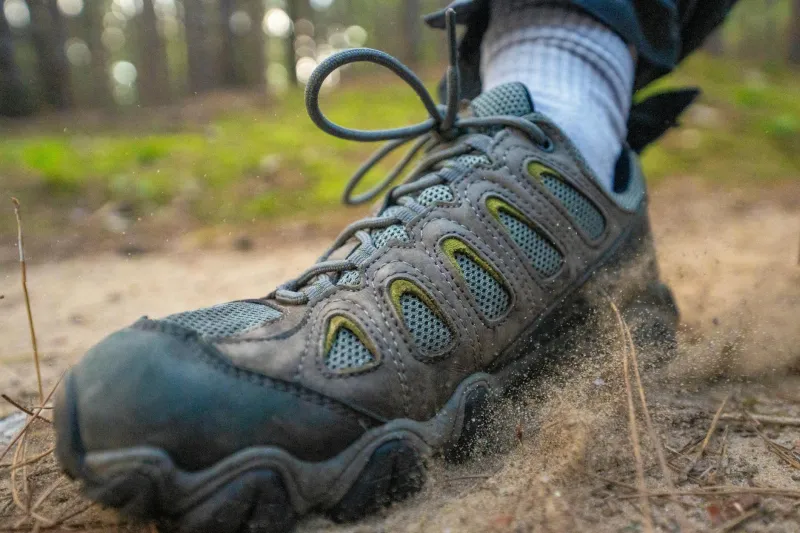
Urushiol is remarkably persistent. Unlike most plant oils that break down relatively quickly, this chemical compound can remain active on surfaces for months or even years under the right conditions. Your hiking boots from last spring? Still contaminated. That gardening glove you used once in July? Chemical time bomb sitting in your garage.
The reason urushiol hangs around so long comes down to its molecular structure. It's not water-soluble, which means regular washing often just moves it around rather than eliminating it. Even worse, heat can reactivate urushiol that seemed dormant, which explains why some people break out when they handle stored camping gear or put on jackets they haven't worn since last fall.
Why Your Washing Machine Isn't Enough
Here's where most people go wrong: they assume throwing contaminated clothes in the wash fixes everything. Standard laundry detergent wasn't designed to break down urushiol. You need something that can dissolve oils — dish soap, rubbing alcohol, or specialized products designed for poison ivy cleanup.
Dermatologists regularly see patients who keep getting mysterious rashes from the same clothing items. One woman kept breaking out every time she wore her favorite hiking jacket, even though she'd washed it multiple times. The culprit was urushiol embedded in the fabric's fibers, waiting to transfer to her skin whenever she wore it.
The Pet Factor Nobody Talks About
Dogs and cats don't typically react to poison ivy, but they're excellent at collecting urushiol on their fur and bringing it home. That cuddly retriever who loves bushwhacking through the woods? He might be your unwitting poison ivy delivery system.
Pet fur can hold urushiol for weeks, and since most people don't think to wash their pets after outdoor adventures, the oil gets transferred every time you pet them. This explains why some people develop rashes on their hands and arms without any memory of direct plant contact.
Tools and Equipment: The Long Game
Gardening tools, camping equipment, and outdoor gear can harbor urushiol for years. Shovels, pruning shears, tent stakes, backpack straps — anything that might have contacted poison ivy becomes a potential source of exposure months later.
One landscaper kept getting rashes every spring when he started using his equipment again. The urushiol from previous seasons was still active on his tools, even after winter storage. He finally solved the problem by cleaning everything with rubbing alcohol before the start of each season.
The Chemistry Behind the Persistence
Urushiol's staying power comes from its chemical stability. Unlike many organic compounds that break down when exposed to air and light, urushiol can polymerize — essentially forming a protective coating that preserves its reactive properties.
Temperature affects urushiol's activity level. Cold storage can keep it dormant, while heat reactivates it. This is why people sometimes break out when they retrieve stored items from hot attics or garages, even if those items have been untouched for months.
Breaking the Cycle
The solution isn't complicated, but it requires changing how you think about poison ivy exposure. Instead of just avoiding the plant, you need to consider everything that might have contacted it:
- Clean tools with rubbing alcohol or dish soap, not just water
- Wash potentially contaminated clothing separately with degreasing detergent
- Bathe pets after outdoor adventures in areas with poison ivy
- Store outdoor gear properly and clean it before reuse
The Real Lesson
Poison ivy isn't just about immediate contact — it's about understanding that exposure can be delayed by months or even years. That random rash might not be so random after all. It could be your past outdoor adventures catching up with you, one contaminated surface at a time.
The next time you develop an unexplained poison ivy rash, don't just think about where you've been recently. Think about what you've touched that might have been contaminated long ago.