The Classic Goldfish Bowl Was a Pet Store Invention — And It's Been Killing Fish for a Century
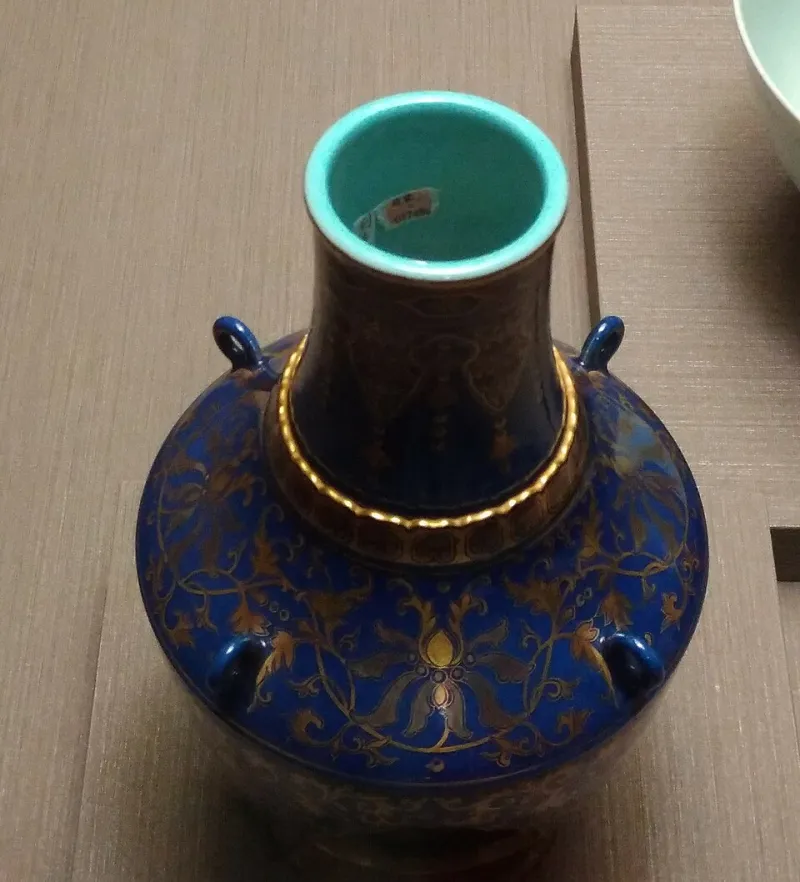
Photo: Ting-Wen Lin, CC BY-SA 4.0, via Wikimedia Commons
The Classic Goldfish Bowl Was a Pet Store Invention — And It's Been Killing Fish for a Century
The image is so familiar it barely registers anymore: a small glass bowl, maybe six inches across, sitting on a countertop or a kid's dresser, a single orange fish circling the same loop it's been circling since Tuesday. It's the default picture of pet fish ownership in America. It shows up in cartoons, in office comedies, in every low-effort "starter pet" conversation parents have ever had.
The problem is that it was never based on how goldfish actually live. The classic fishbowl is, at its core, a retail invention — a decorative product that got mistaken for a natural habitat, and the confusion has been quietly lethal for generations of fish.
What Goldfish Actually Are
Before getting into the bowl itself, it helps to understand what a goldfish is. Goldfish are not fragile novelties. They are a domesticated form of carp, a species that evolved over millions of years in large, slow-moving bodies of water across East Asia — rivers, lakes, and ponds with plenty of space, vegetation, and stable water chemistry.
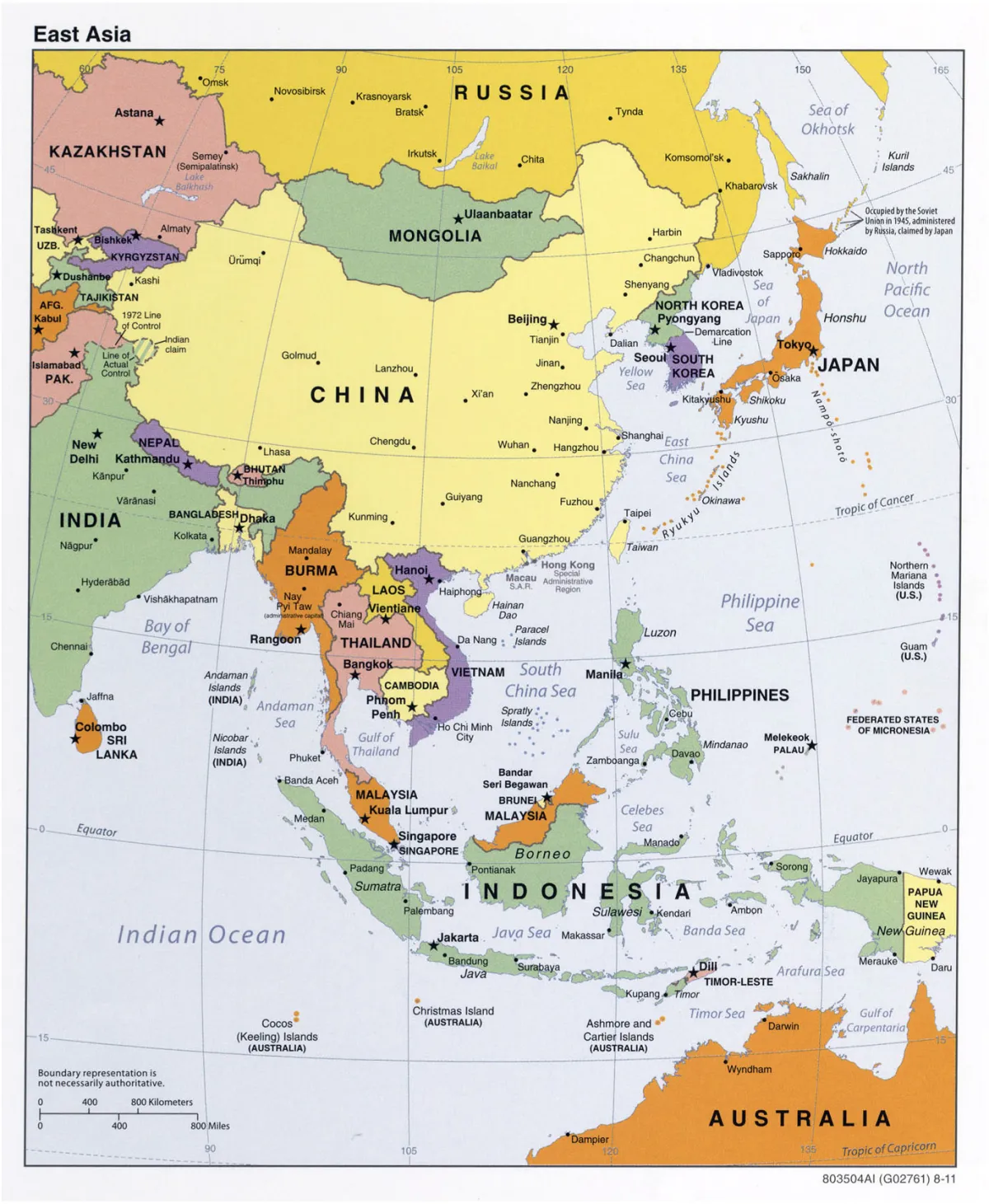 Photo: East Asia, via www.vidiani.com
Cultivated in China as far back as the Tang Dynasty and eventually refined into dozens of distinct ornamental varieties, goldfish were bred for their color and appearance, but their underlying biology stayed largely intact. They are cold-water fish that can grow to a foot or more in length given adequate space. They produce significant amounts of waste, which means they need substantial water volume and filtration to avoid poisoning themselves with their own ammonia output. They are social animals that do better in groups than alone.
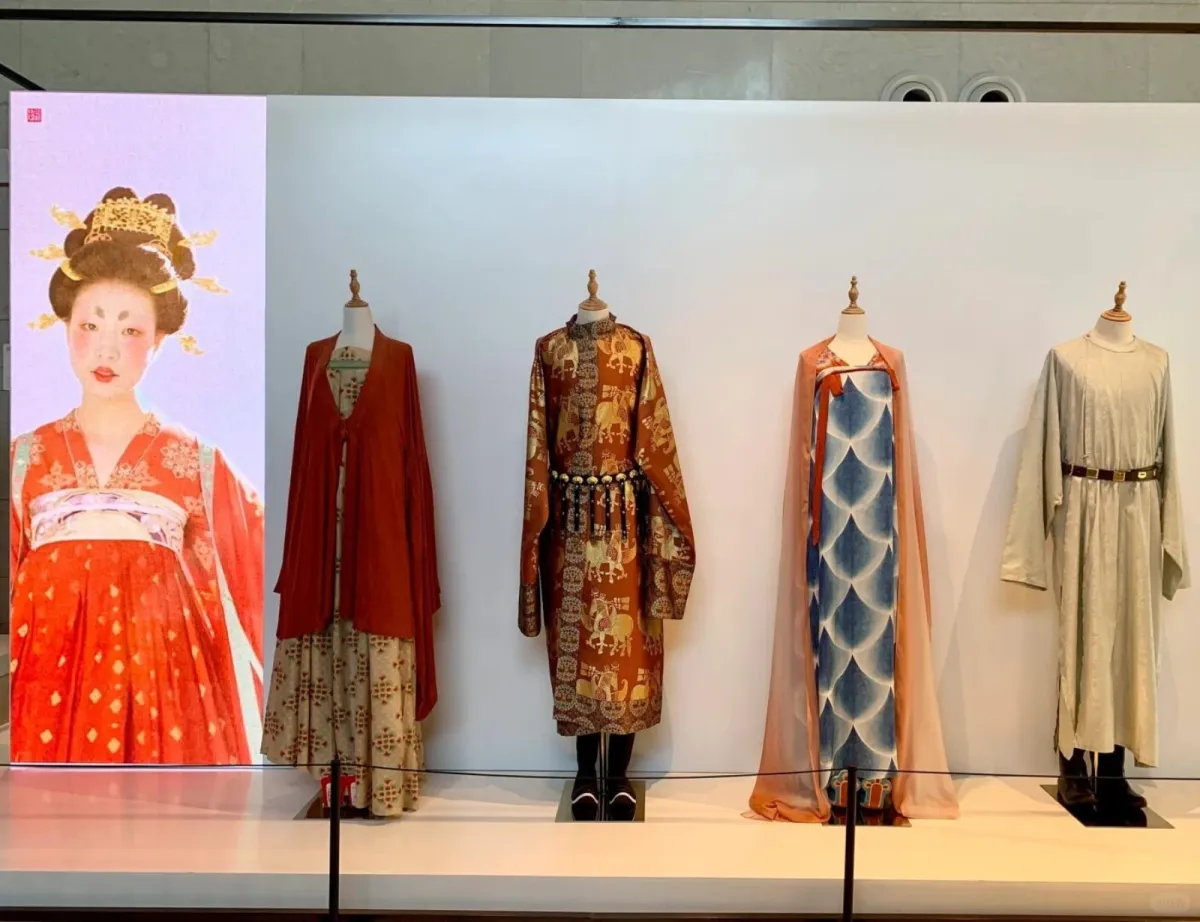 Photo: Tang Dynasty, via www.thechinajourney.com
None of that is compatible with a one-gallon glass bowl. Not even close.
How the Bowl Became the Default
The glass fishbowl as a decorative object dates back to 18th-century Europe, where keeping exotic fish in ornamental glass containers became fashionable among wealthy households. The aesthetic was the point — you were displaying something beautiful, not necessarily housing an animal according to its biological needs. By the time goldfish became widely available in American pet stores in the early 20th century, the bowl had already been established as the visual shorthand for "pet fish."
Pet retailers had practical reasons to keep that association alive. Bowls are cheap to produce, easy to display, and simple to sell. They require no explanation, no equipment list, no setup consultation. You buy the bowl, you buy the fish, you go home. The transaction is fast and the margin is decent. A proper aquarium setup with filtration, a heater, water testing supplies, and cycling time is a much more complicated sell — and a much easier reason for a first-time buyer to walk away.
So the bowl persisted. It got printed on birthday cards and animated into cartoons. It became the visual vocabulary of casual pet ownership. And fish kept dying in it, which most owners attributed to the fragility of the fish rather than the inadequacy of the container.
What Actually Happens Inside a Bowl
Here's the biology that the fishbowl mythology ignores: goldfish are messy. They eat constantly, they excrete constantly, and they produce ammonia as a metabolic byproduct. In any body of water, ammonia is toxic. In a closed, unfiltered system with minimal water volume, it accumulates fast.
A standard small fishbowl holds roughly half a gallon to one gallon of water. Goldfish keepers who actually know what they're doing recommend a minimum of 20 gallons for a single fish, with additional space for each additional fish. The reasoning isn't arbitrary — it's about dilution, filtration capacity, and the nitrogen cycle, the biological process by which beneficial bacteria convert ammonia into less harmful compounds. That cycle requires a filter, adequate water volume, and time to establish. A bowl has none of those things.
Without filtration, ammonia spikes. Without adequate volume, temperature fluctuates wildly. Without space, the fish experience chronic stress, which suppresses immune function and makes them vulnerable to disease. The goldfish that "only lives a few weeks" in a bowl isn't fragile. It's being slowly poisoned by its own environment.
The myth that goldfish only grow to the size of their container has a grain of truth in it, but not the comforting kind. A goldfish in a small bowl may stop growing externally while its internal organs continue to develop, a condition called stunted growth that causes chronic health problems and premature death. The bowl didn't limit the fish to a convenient size. It just made it sick.
Why the Myth Has Survived This Long
Part of the answer is that goldfish have historically been treated as disposable. They're cheap — sometimes given away as carnival prizes — and their deaths have been absorbed into a cultural assumption that fish are just hard to keep alive. When a fish dies in two weeks, the story we tell ourselves is that fish are delicate, not that the bowl was inadequate.
That framing has been convenient for everyone except the fish. It lets retailers continue selling bowls without liability. It lets owners feel like they tried. And it keeps the image of the solitary goldfish circling its glass prison firmly embedded in the cultural imagination as something normal.
The reality is that goldfish kept in proper conditions — adequate tank size, filtration, appropriate water temperature, compatible tank mates — routinely live 10 to 15 years, and some have been documented living past 20. The fish isn't the problem. The bowl was always the problem.
The Takeaway
If you're thinking about getting a goldfish — or if you have one sitting in a bowl right now — the most useful thing you can take from this is that the animal is far more resilient and interesting than its reputation suggests. It just needs an environment that reflects its actual biology, not a decorative container designed to look nice on a shelf.
The bowl was always a product. It was never a home.