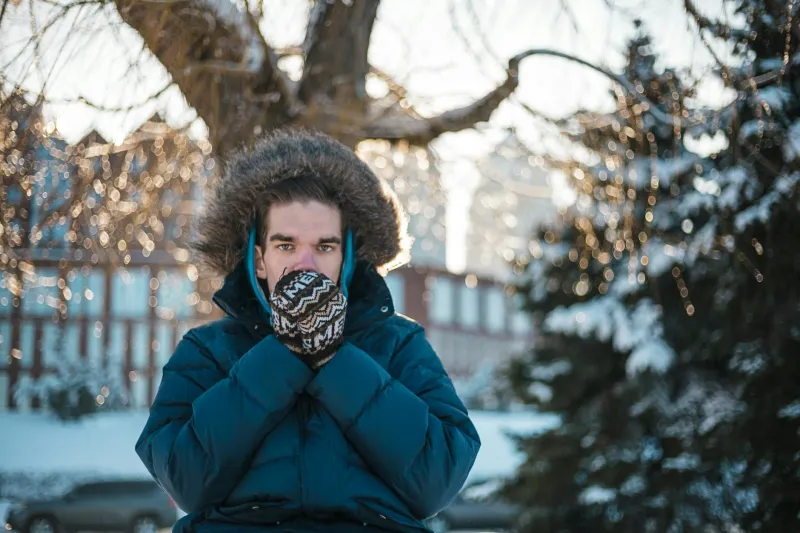
The Great American Parent Conspiracy
Every American kid has heard some version of this warning: "Put on a jacket or you'll catch your death of cold." "Don't go outside with wet hair — you'll get pneumonia." "Close that window, the draft will make you sick." For generations, parents have connected cold temperatures with illness so consistently that it feels like established medical fact.
But here's the thing viruses don't actually care about the weather. The common cold, influenza, and other respiratory infections are caused by microscopic pathogens, not chilly air. Yet this belief persists so stubbornly that even some adults who intellectually know better still feel a nagging worry when stepping outside underdressed.
What Actually Causes Colds (Spoiler: It's Not the Cold)
Respiratory illnesses like the common cold are caused by viruses — primarily rhinoviruses, but also coronaviruses, adenoviruses, and others. These microscopic organisms spread from person to person through respiratory droplets, contaminated surfaces, and direct contact. They need living cells to reproduce, and they're completely indifferent to ambient temperature.
When you catch a cold, it's because you encountered one of these viruses and your immune system couldn't fight it off quickly enough. The virus invaded your respiratory tract, set up shop in your cells, and began reproducing. Your stuffy nose, sore throat, and general misery are actually your immune system's response to this viral invasion.
Temperature plays no role in this process. You can't "catch cold" from being cold any more than you can catch a computer virus from using a computer in a chilly room.
So Why Do We Get Sicker in Winter?
If cold weather doesn't cause illness, why do cold and flu rates spike every winter? This is where the folk wisdom gets confused with correlation and causation. Several factors make winter a perfect storm for viral transmission, but outdoor temperature isn't one of them.
Indoor crowding: When it's cold outside, people spend more time indoors in close proximity. Schools, offices, and homes become viral mixing chambers. The same heating systems that keep us warm also circulate air — and any viruses floating in it — throughout buildings.
Dry indoor air: Winter heating systems create dry environments that affect our natural defenses. The mucus membranes in your nose and throat, which normally trap viruses and bacteria, become less effective when dried out. Meanwhile, viruses actually survive longer in low-humidity conditions.
Less sunlight: Reduced daylight hours mean less vitamin D production, which plays a role in immune function. Some research suggests that lower vitamin D levels during winter months may make us more susceptible to respiratory infections.
Holiday travel and gatherings: Winter coincides with holiday seasons when people travel more and gather in large groups, creating perfect conditions for virus transmission.
The Pattern Recognition Problem
Humans are incredibly good at spotting patterns, sometimes too good. When someone gets sick shortly after being exposed to cold weather, our brains naturally connect the two events. This is called post hoc reasoning — assuming that because one thing followed another, the first thing caused the second.
Over generations, these anecdotal connections accumulated into firmly held beliefs. Great-grandmother got pneumonia after walking in the rain, so rain causes pneumonia. Uncle Joe caught the flu after shoveling snow, so cold air causes flu. Never mind that Great-grandmother was probably exposed to actual pneumonia bacteria, or that Uncle Joe likely picked up the flu virus from his coworkers before the snowstorm hit.
The Stress Factor
There is one way that cold exposure might indirectly affect illness, but it's not what most people think. Extreme cold can be a physical stressor, and chronic stress can suppress immune function. However, this effect requires prolonged, severe cold exposure — not the brief chill you get walking from your car to the grocery store.
The kind of cold stress that might impact immunity involves situations like hypothermia or prolonged exposure to freezing temperatures. Your everyday experience of feeling chilly doesn't create enough physiological stress to meaningfully suppress your immune system.
International Perspectives on Weather and Illness
Interestingly, the connection between cold weather and illness isn't universal across cultures. In some parts of the world, people believe heat causes illness. Traditional Chinese medicine focuses more on balance and energy flow than temperature exposure. Some cultures emphasize the importance of keeping feet warm, others worry about cold drinks, and still others focus on drafts versus direct cold.
These varying beliefs suggest that the weather-illness connection is more cultural than scientific. If cold weather directly caused illness, we'd expect to see consistent beliefs about it across all cold climates.
What About That Study You Heard About?
You might remember hearing about research that seemed to support the cold-causes-illness theory. There have been studies showing that people exposed to cold conditions were more likely to develop cold symptoms. But these studies typically involved deliberate virus exposure — researchers gave participants actual cold viruses, then exposed some to cold conditions.
What these studies found was that cold stress might make you slightly more susceptible to viruses you've already been exposed to. But they didn't show that cold weather alone causes illness. You still need to encounter the actual virus first.
The Wet Hair Pneumonia Panic
The wet hair pneumonia warning deserves special attention because it's so widespread and so wrong. Pneumonia is a serious lung infection caused by bacteria, viruses, or fungi. While being cold and wet might make you uncomfortable, it won't cause pneumonia unless you're also exposed to the microorganisms that actually cause the disease.
This myth probably persists because pneumonia can be a serious illness, so parents use dramatic warnings to encourage kids to dress warmly. But the fear of catching pneumonia from wet hair is about as scientifically sound as worrying that walking under ladders will cause broken bones.
Modern Parenting and Ancient Fears
Today's parents face an interesting dilemma. Many understand intellectually that cold weather doesn't cause illness, but they still feel compelled to repeat the warnings they heard growing up. This creates a weird cultural transmission where knowledge and behavior don't align.
Some parents have started reframing the conversation: "Wear a coat so you'll be comfortable" instead of "Wear a coat so you won't get sick." Others focus on actual health measures like hand washing and avoiding sick people during cold season.
The Real Winter Health Advice
If you want to avoid getting sick during winter, focus on the factors that actually matter:
- Wash your hands frequently and avoid touching your face
- Maintain distance from people who are obviously ill
- Use a humidifier to combat dry indoor air
- Get enough sleep and manage stress
- Consider a vitamin D supplement if you live in a low-sunlight area
- Get vaccinated for influenza
Dressing warmly is important for comfort and preventing actual cold-related problems like frostbite, but it won't protect you from viruses. Your jacket is a shield against discomfort, not disease.
Breaking the Cycle
The cold weather illness myth is remarkably persistent because it gets reinforced constantly. Every time someone gets sick after being cold, it seems to confirm the belief. Every time someone stays warm and healthy, it's easy to credit the coat rather than luck or good immune function.
Breaking this cycle requires understanding that viruses operate on their own timeline, usually incubating for several days before symptoms appear. The cold you develop on Tuesday probably came from virus exposure the previous weekend, not from stepping outside without a scarf on Tuesday morning.
The next time someone warns you about catching cold from being cold, you can smile and appreciate their concern while knowing that your actual health depends on much more interesting factors than your choice of outerwear.