Carrots and Night Vision: The Wartime Lie That Became a Dinnertime Health Rule

Somewhere between the age of four and seven, most American kids receive a very specific piece of dinner table wisdom: eat your carrots, they'll help you see in the dark. It gets delivered with the same matter-of-fact confidence as "don't run with scissors" or "wash your hands before you eat." It feels like basic, obvious, timeless nutrition knowledge.
It is not. It is, in a very direct sense, the result of a World War II propaganda operation that the British government ran to fool the Nazis. And it worked so well that it's still fooling people eighty years later.
Britain's Radar Problem
By 1940, the Royal Air Force had a significant technological advantage over the Luftwaffe: a functioning ground-based radar network called Chain Home, which could detect incoming German aircraft well before they reached British airspace. RAF pilots, guided by radar operators, were intercepting German bombers with a precision that genuinely baffled German military intelligence.
 Photo: Royal Air Force, via c8.alamy.com
The Germans needed an explanation. And the British government needed to make sure they didn't find the real one.
So the British Air Ministry, with help from its propaganda operations, began feeding a different story to the press: RAF pilots were achieving their remarkable nighttime interception rates because of their exceptional diet. Specifically, their high consumption of carrots, which were said to give them extraordinary night vision.
The story was enthusiastically planted in British newspapers. One RAF pilot, John "Cat's Eyes" Cunningham, became the public face of the campaign — a celebrated night fighter ace whose supposed carrot-heavy diet was credited for his ability to spot German planes in the dark. (In reality, Cunningham's success was almost entirely due to airborne radar technology installed in his aircraft.)
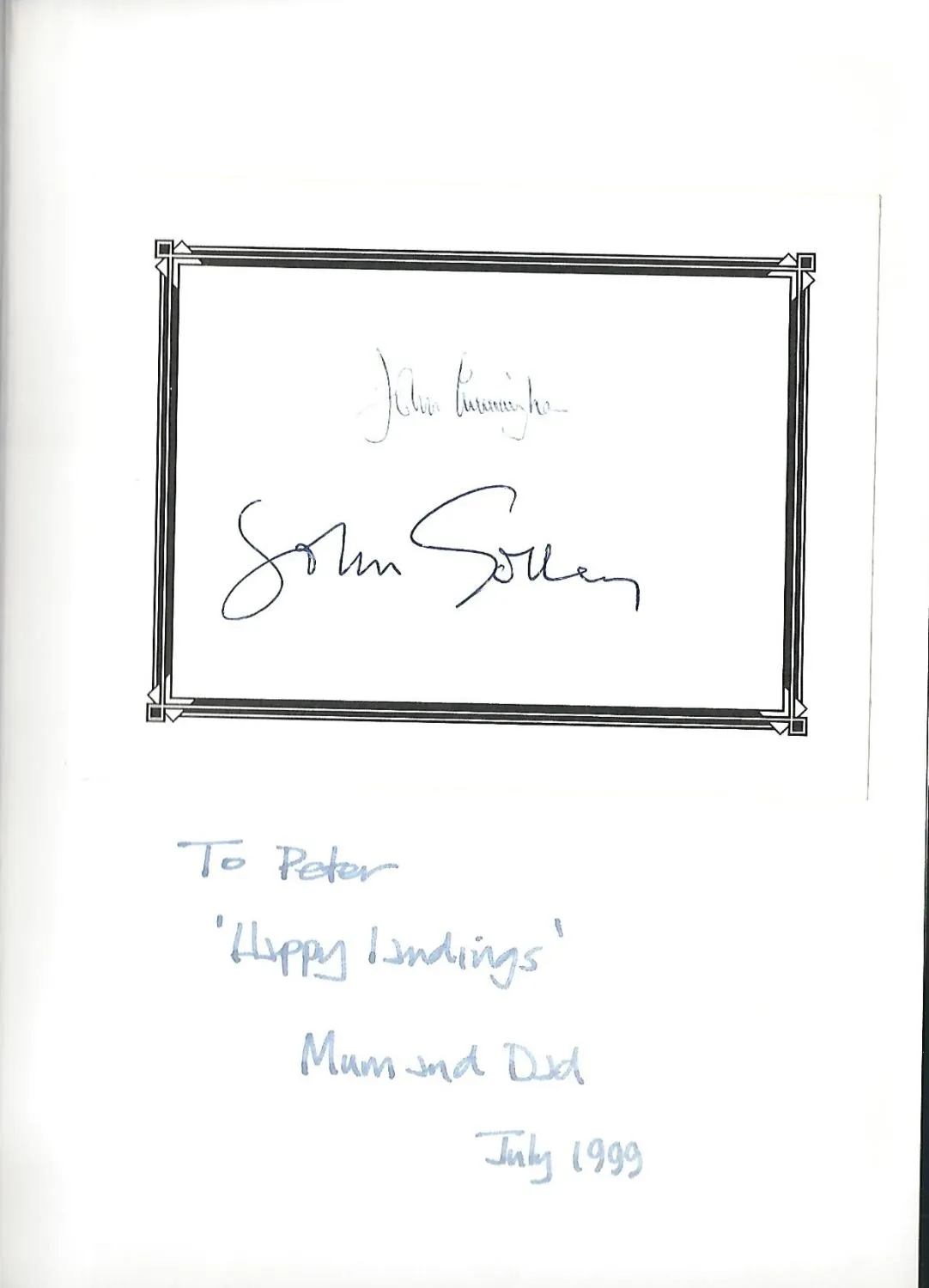 Photo: John "Cat's Eyes" Cunningham, via pictures.abebooks.com
The British public, already being encouraged to grow vegetables as part of wartime food rationing efforts, embraced the story. Carrots were being promoted through the "Dig for Victory" campaign anyway, so the night vision angle was a convenient bonus. German intelligence, apparently, never cracked the real explanation.
How It Crossed the Atlantic
The carrot-vision connection arrived in American culture through a combination of wartime media coverage, Allied information sharing, and the simple stickiness of a good health story. By the time the war ended, the idea had detached from its military context entirely and settled comfortably into mainstream nutritional belief.
It helped that the story has a kernel of real biology inside it — which is exactly what makes it so durable.
What Vitamin A Actually Does
Here's the legitimate science: vitamin A is genuinely essential for vision, and carrots are genuinely a good source of beta-carotene, which your body converts into vitamin A. A severe deficiency in vitamin A can cause night blindness — a real, documented condition in which the eyes struggle to adapt from bright light to darkness.
So the connection between carrots and vision isn't entirely fabricated. It's just wildly overstated for the average well-fed American.
The critical detail is this: vitamin A supplementation helps vision only when a person is actually deficient. If you're already getting adequate vitamin A — which most Americans eating a reasonably varied diet are — eating more carrots does essentially nothing for your night vision. Your body doesn't store extra visual capability. You can't bank night vision the way you'd bank savings. Once your vitamin A levels are sufficient, adding more doesn't improve your ability to see in the dark any more than drinking extra water makes you more hydrated once you're already hydrated.
To actually develop the kind of enhanced night vision the British propaganda described, you'd need to start from a state of genuine deficiency — the kind seen in severe malnutrition, not in someone eating a standard American diet.
Why the Myth Stuck So Well
A few things made this particular story almost impossible to dislodge once it got going.
First, it's impossible to directly disprove through personal experience. Nobody eats a carrot, goes outside at night, and notices no change, then concludes carrots don't work. The effect is claimed to be subtle and cumulative, which means absence of evidence is easy to explain away.
Second, carrots genuinely are nutritious. They're full of antioxidants, fiber, and yes, beta-carotene. So the broader message — "eat your vegetables" — is correct even if the specific night vision claim isn't. Parents who repeat it aren't technically wrong that carrots are good for you.
Third, the original source was authoritative wartime media coverage, not a rumor. It entered cultural circulation with institutional credibility already attached, which gave it staying power that a folk remedy wouldn't have had.
And fourth — honestly — it's a useful thing to tell a kid who doesn't want to eat their vegetables.
The Actual Takeaway
Carrots are genuinely healthy. Vitamin A genuinely matters for eye function. But the idea that eating carrots gives you enhanced night vision is a piece of military disinformation that outlived the war it was designed to fight by eight decades and counting.
The next time someone tells you to eat your carrots so you can see in the dark, you're now equipped with something better than compliance: the actual story. Which, it turns out, is considerably more interesting than the myth.