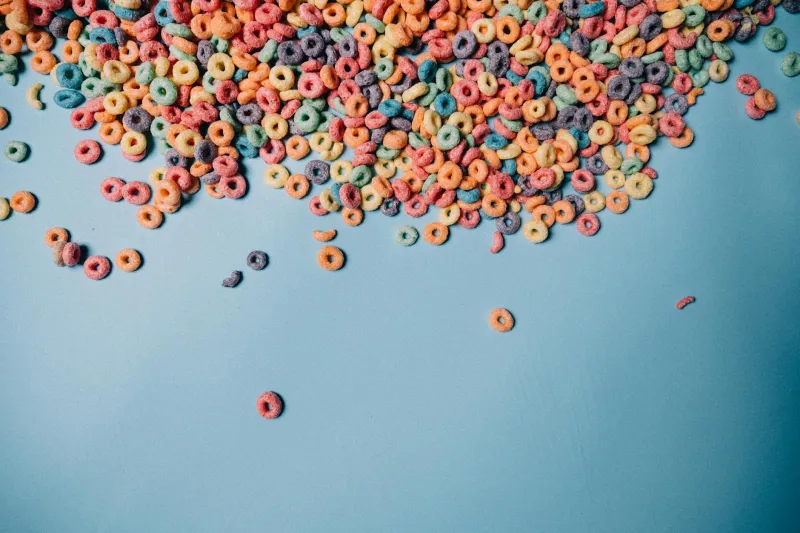
The Morning Meal Commandment
Ask any American about breakfast and you'll likely hear the same phrase: "It's the most important meal of the day." This nutritional commandment has been drilled into our collective consciousness so thoroughly that skipping breakfast feels almost rebellious. Parents repeat it to reluctant kids, health articles cite it as established fact, and cereal boxes print it like gospel truth.
But where exactly did this ironclad rule come from? The answer isn't found in ancient dietary wisdom or groundbreaking nutritional research. Instead, it traces back to one of the most successful marketing campaigns in American history.
When Breakfast Became a Business
The story begins in the early 1900s, when a few enterprising businessmen realized they could create a market for morning convenience foods. Dr. John Harvey Kellogg, running a health sanitarium in Michigan, began promoting grain-based cereals as healthy alternatives to heavy American breakfasts of eggs, bacon, and steak.
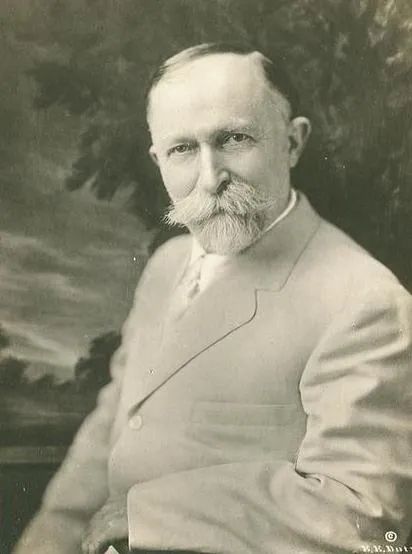 Photo: Dr. John Harvey Kellogg, via www.historydefined.net
But Kellogg's real genius wasn't in the product — it was in the messaging. He positioned breakfast cereal as a moral and medical necessity, claiming that proper morning nutrition could prevent everything from indigestion to mental illness. His marketing materials warned Americans about the dangers of skipping breakfast, using medical-sounding language to legitimize what was essentially product promotion.
The Kellogg Company, along with competitors like Post and Quaker Oats, spent decades reinforcing this message through advertising, educational materials, and even partnerships with schools. They funded studies, created educational pamphlets, and worked with nutritionists to establish breakfast as nutritionally essential.
The Science That Wasn't There
What's remarkable about the "most important meal" messaging is how it preceded actual scientific understanding of metabolism and nutrition. When these companies were making health claims about breakfast in the 1920s and 1930s, nutritional science was still in its infancy. The concept of calories was relatively new, vitamins had just been discovered, and researchers were only beginning to understand how the human body processes food.
The breakfast industry didn't wait for science to catch up. They created their own research, funded studies that supported their messaging, and presented marketing claims as medical facts. By the time nutritional science became more sophisticated, the breakfast rule was already embedded in American culture.
What Modern Research Actually Shows
Today's nutrition science paints a much more nuanced picture of morning eating. While some studies do show benefits from breakfast consumption — particularly for children and adolescents — the evidence doesn't support the idea that breakfast is universally "most important."
Recent research on intermittent fasting has challenged breakfast orthodoxy entirely. Studies show that many people can skip breakfast without negative health consequences, and some may even benefit from delayed eating patterns. The timing of your first meal appears to matter much less than the overall quality and quantity of your daily food intake.
Dr. Krista Varady, a nutrition researcher at the University of Illinois, has studied time-restricted eating extensively. Her research suggests that when you eat may be less important than what and how much you eat. "The idea that you must eat breakfast to kickstart your metabolism isn't supported by current evidence," she explains.
 Photo: University of Illinois, via docs.fs.illinois.edu
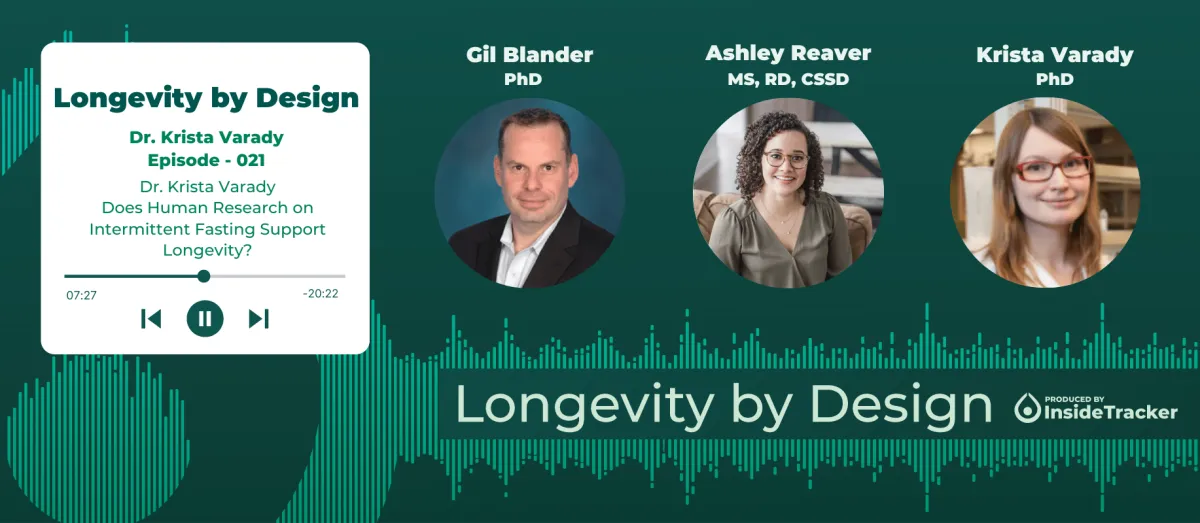 Photo: Dr. Krista Varady, via blog.insidetracker.com
The Metabolism Myth
One of the most persistent breakfast myths is that eating early "jumpstarts" your metabolism. This claim appears in countless health articles and weight-loss advice columns, but it's not how metabolism actually works.
Your metabolic rate — the speed at which your body burns calories — doesn't need a morning food boost to function properly. Your metabolism runs continuously, whether you've eaten recently or not. In fact, some research suggests that brief periods of fasting may actually improve metabolic efficiency.
The confusion comes from the thermic effect of food — the temporary increase in energy expenditure that occurs after eating. While eating does slightly increase your metabolic rate for a few hours, this effect isn't unique to breakfast and doesn't require morning timing to be beneficial.
Cultural Breakfast Around the World
Looking at global eating patterns reveals how culturally specific our breakfast obsession really is. Many traditional cultures don't emphasize morning meals the way Americans do. In some Mediterranean countries, breakfast is traditionally light — coffee and a small pastry. Many Asian cultures historically began the day with tea rather than substantial food.
The American breakfast industry successfully exported their messaging to other countries, but this happened relatively recently in human history. The idea that humans require substantial morning nutrition isn't supported by thousands of years of varied cultural eating patterns.
The Real Breakfast Science
So what does current research actually say about breakfast? The picture is complicated:
For children and teenagers: Regular breakfast consumption is associated with better academic performance, improved concentration, and more stable blood sugar levels. Growing bodies have different nutritional needs than adult bodies.
For adults: The evidence is mixed. Some people function better with morning food, while others prefer delayed eating. Individual variation appears to be significant.
For weight management: Studies show conflicting results. Some research suggests breakfast eaters maintain healthier weights, while other studies find no difference or even slight benefits to breakfast skipping.
For athletic performance: Morning workouts may benefit from pre-exercise nutrition, but this depends on workout intensity and individual tolerance.
Listening to Your Body Instead of Marketing
The most honest nutritional advice about breakfast is surprisingly simple: pay attention to how your body responds to different eating patterns. Some people genuinely feel better eating soon after waking. Others function perfectly well on coffee until lunch.
Rather than following universal rules created by cereal marketers, modern nutritionists increasingly recommend individualized approaches to meal timing. Your work schedule, exercise routine, hunger patterns, and personal preferences are better guides than advertising slogans.
The Takeaway
The "most important meal of the day" isn't ancient wisdom — it's early 20th-century marketing that worked so well it became cultural fact. While breakfast can certainly be part of a healthy diet, it's not mandatory for good health or proper metabolism.
The real lesson isn't that breakfast is bad, but that nutrition advice should be based on science rather than sales pitches. Your morning eating habits should serve your body and lifestyle, not the profit margins of food companies that convinced your great-grandparents that cereal was a medical necessity.