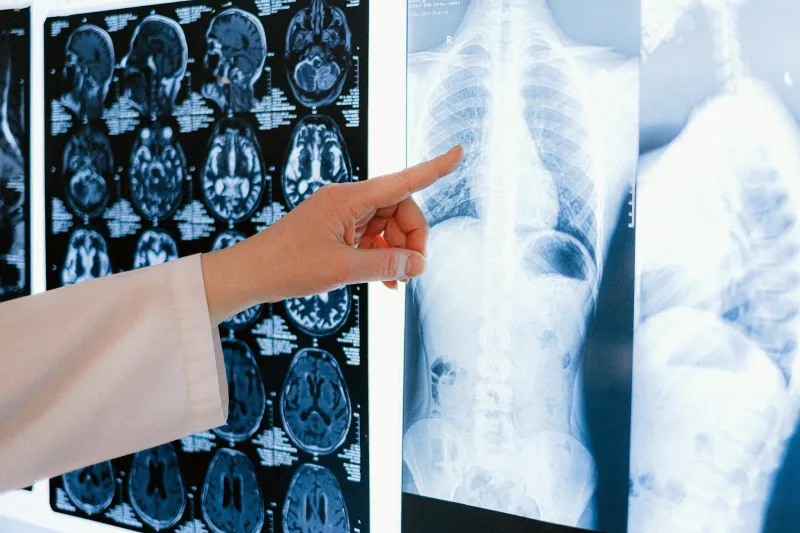
Your Brain Doesn't Have 90% Sitting Idle — So Why Does Everyone Quote That Made-Up Statistic?
Walk into any bookstore's self-help section and you'll find dozens of titles promising to unlock your "unused brain potential." The premise is always the same: scientists have proven that humans only use 10% of their brains, leaving a massive 90% just waiting to be activated. It's a compelling idea that's launched everything from expensive seminars to blockbuster movies like Lucy.
There's just one problem — neuroscience has never actually found evidence for this specific claim. So where did such a precise-sounding statistic come from?
The Trail of Misquotes That Built a Myth
The 10% figure appears to be a game of scientific telephone that started in the early 1900s. Psychologist William James wrote that most people only achieve a fraction of their potential — but he never mentioned brains or percentages. Around the same time, neurosurgeons were discovering that they could remove large portions of damaged brain tissue without immediately obvious effects on personality or intelligence.
 Photo: William James, via www.laphamsquarterly.org
These separate observations somehow got blended together into a single, neat statistic. By the 1930s, self-help pioneer Dale Carnegie was referencing the "10% of our mental faculties" in his famous book How to Win Friends and Influence People. The number stuck because it felt both scientific and hopeful.
 Photo: Dale Carnegie, via deltachi.org
What made this particular myth so durable was its specificity. Saying "you could be smarter" is vague. Saying "you're only using 10% of your brain" sounds like a measurable fact that someone in a lab coat must have calculated.
What Brain Imaging Actually Shows
Modern neuroscience has tools that would have seemed like science fiction to researchers in Carnegie's time. PET scans and functional MRIs can literally watch your brain work in real-time, showing which areas are active during different tasks.
The results are nothing like the 10% myth suggests. Even simple activities like reading this sentence activate multiple brain regions simultaneously. During complex tasks, scans light up like Christmas trees. Even during sleep, your brain maintains about 20% of its waking activity level — far more than the myth would predict.
More importantly, we now know that brain damage almost always has noticeable effects. Stroke patients who lose even small amounts of brain tissue often face significant challenges with speech, movement, or memory. The idea that 90% of your brain is just sitting there unused doesn't match what happens when those areas are actually damaged.
Why This Myth Refuses to Die
The 10% brain myth persists because it serves a psychological need. It suggests that extraordinary abilities are just a matter of accessing what's already there, rather than the harder truth that expertise requires years of practice and learning.
The entertainment industry has also kept this myth alive. Movies like Limitless and Lucy use the 10% premise as a plot device, introducing the idea to new generations who might never encounter actual neuroscience in school.
Self-help gurus continue to reference it because the myth provides a perfect setup for their products. If you're only using 10% of your brain, then whatever technique they're selling could theoretically unlock the other 90%. It's a more appealing pitch than "this might help you get slightly better at specific skills through practice."
The Real Story About Brain Potential
While the 10% myth is false, the underlying desire to improve mental performance isn't misguided. Neuroscience has identified real ways that brains can become more efficient and capable.
Learning new skills literally changes brain structure, creating new neural pathways and strengthening existing ones. Regular exercise increases blood flow to the brain and promotes the growth of new neurons. Quality sleep helps consolidate memories and clear metabolic waste from brain tissue.
These improvements don't come from accessing unused brain areas — they come from optimizing the areas you're already using. Your brain isn't a computer with most of its hard drive sitting empty. It's more like a muscle that gets stronger and more coordinated with the right kind of training.
The Takeaway
The next time someone mentions the 10% brain myth, remember that it's not based on any actual research. It's a century-old misunderstanding that got repeated so many times it started to sound like established science.
Your brain is already working at full capacity — it's just that "full capacity" doesn't look like what Hollywood suggests. Real cognitive improvement comes from challenging yourself with new experiences, maintaining physical health, and practicing specific skills over time. It's less dramatic than unlocking hidden brain powers, but it's also more honest about how learning actually works.