The Cozy Lie That Kills
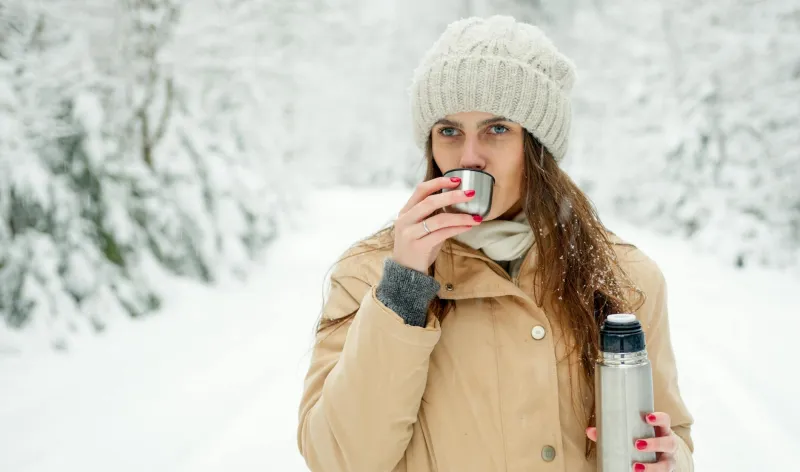
Picture this: You're caught in a snowstorm, shivering uncontrollably, when someone offers you a flask of whiskey. "This'll warm you right up," they say with confidence. It's a scene Americans have watched in countless movies, from old Westerns to modern survival thrillers. The St. Bernard dog with a tiny barrel of brandy around its neck has become such an iconic image that it's practically synonymous with mountain rescue.
But here's the terrifying truth: that shot of whiskey could be the difference between making it home safely and becoming a hypothermia statistic.
What Alcohol Actually Does to Your Body in the Cold
When you drink alcohol, it triggers a process called vasodilation — your blood vessels expand, particularly those near your skin's surface. This sends warm blood rushing toward your extremities, creating an immediate sensation of warmth. Your face flushes, your fingers tingle, and for a few blissful minutes, the cold seems to retreat.
This feeling is so convincing that it's fooled humans for literally thousands of years. But what's actually happening inside your body tells a completely different story.
That warm blood flowing to your skin? It's your core body heat escaping into the environment at an accelerated rate. While you're feeling toasty, your internal temperature is dropping faster than it would if you'd never touched the bottle. It's like opening all the windows in your house while cranking up the heat — you might feel a warm breeze, but you're hemorrhaging energy.
Dr. Gordon Giesbrecht, a hypothermia researcher at the University of Manitoba, puts it bluntly: "Alcohol is probably the worst thing you can consume if you're trying to stay warm in cold conditions. It's essentially hijacking your body's natural survival mechanisms."
 Photo: University of Manitoba, via i0.wp.com
The Historical Roots of a Deadly Misconception
So how did this dangerous myth become so deeply embedded in Western culture? The answer lies in centuries of misunderstanding about how the human body works.
The St. Bernard rescue dog legend, for instance, is based on real dogs that worked in the Swiss Alps — but they never actually carried brandy. That detail was added by artists and storytellers who assumed that alcohol would be the logical thing to give someone rescued from the cold. The myth became so popular that it overshadowed reality.
 Photo: Swiss Alps, via wallpaperaccess.com
Military history is littered with similar misconceptions. Russian soldiers during World War II were issued vodka rations partly because commanders believed it would help them withstand the brutal winter conditions. What they didn't realize was that alcohol was likely making their troops more vulnerable to frostbite and hypothermia.
 Photo: World War II, via cdn.britannica.com
Even today, ski lodges and mountain bars market "warming" drinks like hot toddies and Irish coffee as the perfect way to recover from a day in the cold. The irony is that these establishments are often located in the exact environments where this misconception could prove fatal.
The Science of Feeling Warm vs. Being Warm
The key to understanding why this myth is so persistent — and so dangerous — lies in the difference between subjective warmth and actual body temperature.
When researchers study people drinking alcohol in cold conditions, they find a consistent pattern: subjects report feeling significantly warmer while their core body temperature actually drops. This disconnect between perception and reality creates a false sense of security that can lead to poor decision-making in survival situations.
In one study conducted by Army researchers, volunteers who consumed alcohol before cold exposure were not only more likely to develop hypothermia, but they were also less likely to recognize the symptoms in themselves. The alcohol didn't just make them colder — it made them dangerously unaware of how cold they were getting.
Real-World Consequences
This isn't just an academic curiosity. Emergency room doctors in cold-weather states see the real-world impact of the alcohol-warming myth every winter. Patients arrive with severe hypothermia after spending time outdoors while intoxicated, often having made decisions they would never have made sober — like removing clothing, staying outside longer than planned, or refusing shelter.
Search and rescue teams report finding victims who had been drinking and clearly felt warm enough to make dangerous choices. In some cases, people have been found in various states of undress, having removed protective clothing because they felt overheated — a phenomenon known as "paradoxical undressing" that's made worse by alcohol consumption.
Why the Myth Refuses to Die
Despite decades of public health messaging and scientific research, the alcohol-warming myth persists for several reasons. First, the immediate sensation is so convincing that it overrides logical thinking. When you're cold and someone offers you something that makes you feel warm within minutes, it's hard to argue with what seems like obvious evidence.
Second, the myth is constantly reinforced by popular culture. Movies, TV shows, and literature continue to portray alcohol as a cold-weather remedy. These fictional depictions carry more weight with many people than abstract scientific warnings.
Finally, the alcohol industry has little incentive to correct this misconception. Winter-themed marketing campaigns for spirits often play up the warming myth, using imagery of cozy fireplaces and snow-covered cabins to suggest that their products are the perfect cold-weather companion.
The Bottom Line
If you're genuinely cold, alcohol is not your friend. Your body's natural response to cold — restricting blood flow to your extremities to preserve core temperature — exists for a good reason. Alcohol short-circuits this survival mechanism, trading long-term safety for short-term comfort.
The next time someone offers you a shot to "warm up," remember that feeling warm and being warm are two entirely different things. In cold weather, that difference could save your life.